If your windows are drafty in February, hard to open in July, or showing fog between the panes year-round, you are not just dealing with an annoyance. You are looking at a house system that is no longer doing its job. For many homeowners around Peabody, Essex County, and the greater Boston area, replacement windows become a priority when comfort drops, heating bills climb, or the exterior starts to look tired.
The challenge is that window shopping gets technical fast. Vinyl or wood. Double-hung or casement. Double-pane or triple-pane. Full-frame or insert. Plenty of homeowners start the process feeling like every option sounds good until they have to choose one. The best decision usually comes from narrowing the field based on your house, your goals, and how long you plan to stay there.
How to choose replacement windows without overbuying
A good replacement window should solve a problem, not just add features to a quote. Some homeowners want better energy efficiency. Others care most about easier cleaning, less outside noise, or a look that fits the age of the home. Start there.
If your current windows are rotting, leaking, or letting in air around the frame, the conversation is different than if you simply want a visual upgrade. In older homes, especially throughout the North Shore and Boston area, age and condition matter as much as style. A beautiful window will still disappoint if it is not the right fit for the opening or the structure around it.
That is why the first step is not choosing a brand name or a color. It is defining what you need the windows to do. Lower utility costs, improve curb appeal, reduce maintenance, increase resale value, or all of the above. Once those priorities are clear, the right options come into focus.
Start with the condition of the existing window
Not every replacement project is the same. Some homes are good candidates for insert replacement windows, where the new window fits into the existing frame. That can be a smart solution when the surrounding frame is solid and square. It is often less invasive and can move faster.
Other homes need full-frame replacement. If there is rot, water damage, structural movement, or old trim details that have failed, replacing only the sash and glass may not be enough. Full-frame work costs more, but it also gives you the chance to address hidden issues properly.
This is one of the biggest areas where homeowners can get tripped up. A lower price may reflect a lighter scope, not a better value. If the original frame is failing, putting a new unit inside it only delays the real repair.
Choose a window material that fits your home and maintenance goals
Material affects performance, appearance, and upkeep. For many homeowners, vinyl replacement windows are the practical choice because they offer strong energy performance, low maintenance, and solid value. They do not need scraping or repainting, which matters if you want a clean exterior without constant upkeep.
Wood windows have a classic look that suits certain homes, especially historic or high-character properties. They can be beautiful, but they ask more from the homeowner over time. If preserving a traditional appearance matters most, wood may be worth the added maintenance and cost.
Composite and fiberglass options can offer strong durability and a more premium feel, but they usually come at a higher price point. For some homeowners, that upgrade makes sense. For others, a well-built vinyl window installed correctly is the better buy.
This is where a Good, Better, Best approach helps. You do not always need the top-tier product. You need the one that fits the house, the budget, and the level of performance you expect.
How to choose replacement windows by style
Window style affects more than appearance. It changes ventilation, operation, cleaning, and how the house feels inside.
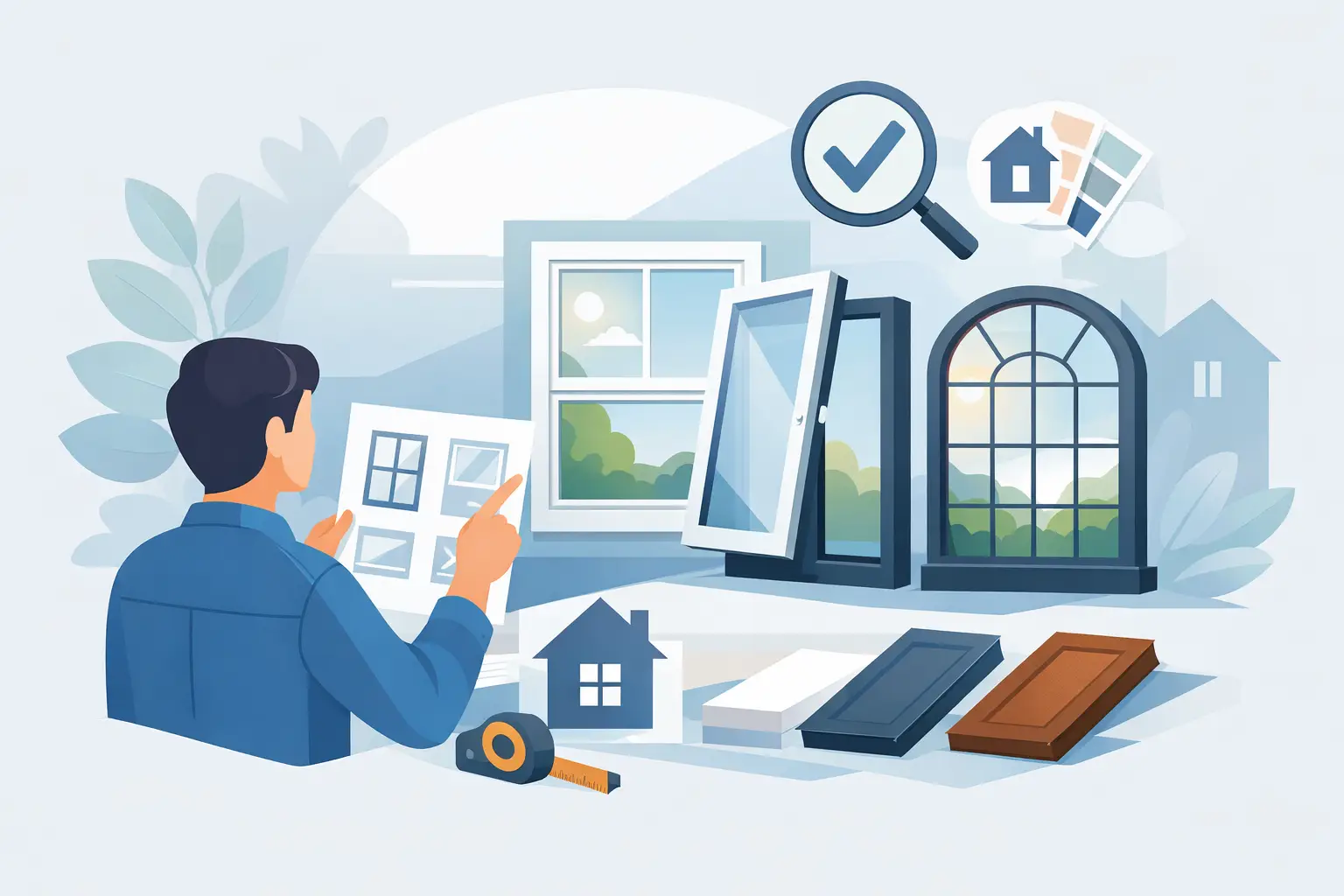
Double-hung windows are a common choice for traditional homes because they look right in many settings and are easy to live with. Many tilt in for cleaning, which is useful on upper floors. Casement windows open outward and tend to seal tightly, making them a strong option for energy efficiency and airflow. Sliding windows can work well in wider openings, while picture windows are ideal when you want light and views without ventilation.
There is no single best style for every room. A kitchen over the sink may benefit from a casement because it is easier to open with a crank. A front-facing room may call for a style that matches the architectural character of the house. In older neighborhoods, getting that balance right matters.
Pay close attention to glass packages and energy performance
In New England, glass matters. A lot. The right glass package can improve indoor comfort in both winter and summer, especially in rooms that get strong wind exposure or direct sun.
Most homeowners will choose between double-pane and triple-pane glass. Triple-pane can offer better insulation and noise reduction, but it also costs more. Depending on the home, double-pane with a quality low-E coating and gas fill may be the smarter value. It depends on your goals, the orientation of the house, and the performance level of the specific product.
Look beyond simple sales language like energy efficient. Ask how the window is rated and how that rating applies to your climate. A room facing the street may benefit from better sound control. A sun-heavy room may need glass designed to reduce solar heat gain. The best choice is not always the most expensive package. It is the one that solves the problem you actually have.
Do not overlook hardware, screens, and interior details
Small details shape daily satisfaction. Hardware should feel solid and operate smoothly. Locks should engage easily. Screens should fit tightly and remove without a fight. If you have ever struggled with an old painted-shut window, you already know that ease of use matters.
Interior trim and exterior capping matter too. Even a high-quality window can look average if the finish work is rushed. Clean lines, tight joints, and careful trim work are part of the final result. Homeowners often focus on the product and forget that the finished appearance comes from both the window and the craftsmanship around it.
Installation quality matters as much as the window itself
A replacement window is only as good as the team installing it. Poor installation can lead to drafts, leaks, operation issues, and premature wear, even with a strong product. That is why the contractor matters just as much as the manufacturer.
Ask how measurements are handled, what happens if hidden damage is found, who will be on site, and how cleanup is managed. Clear scheduling and active communication are not extras. They are part of a well-run job.
For homeowners who want less stress, this is often the deciding factor. A dependable local contractor should provide a detailed quote, explain your options clearly, and stand behind the workmanship. That is the kind of process we have built at US Home Improvement since 1978, because homeowners should not have to guess what comes next.
Budget for value, not just price
Window quotes can vary widely, and that does not always mean one company is overcharging. Sometimes it means the products, labor, trim scope, warranty support, or installation method are different.
A low number can be tempting, especially on a full-house project. But if it leaves out frame repair, uses thin materials, or cuts corners on finish work, it may cost more in the long run. On the other hand, the most expensive option is not automatically the right one either. Some homes need premium products. Others do just fine with a mid-range window installed properly.
The smartest move is to compare scope line by line. Make sure you are looking at the same type of replacement, the same level of finish work, and the same warranty support.
Match the choice to how long you plan to stay
If this is your long-term home, it often makes sense to invest in comfort, durability, and lower maintenance. If you expect to sell in a few years, curb appeal and reliable performance may matter more than top-end upgrades.
That does not mean choosing the cheapest path before a sale. Buyers notice tired windows. They also notice when new windows look out of place or feel flimsy. The goal is to make an improvement that fits the house and holds up.
A good window decision should feel practical after the crew leaves. It should make the room quieter, the house tighter, and the exterior cleaner-looking without adding work to your life. If you focus on condition, style, glass, installation, and real value instead of sales pressure, the right choice usually becomes much clearer.
Take your time, ask direct questions, and choose windows the same way you would choose any major home improvement decision - with an eye on quality that lasts.