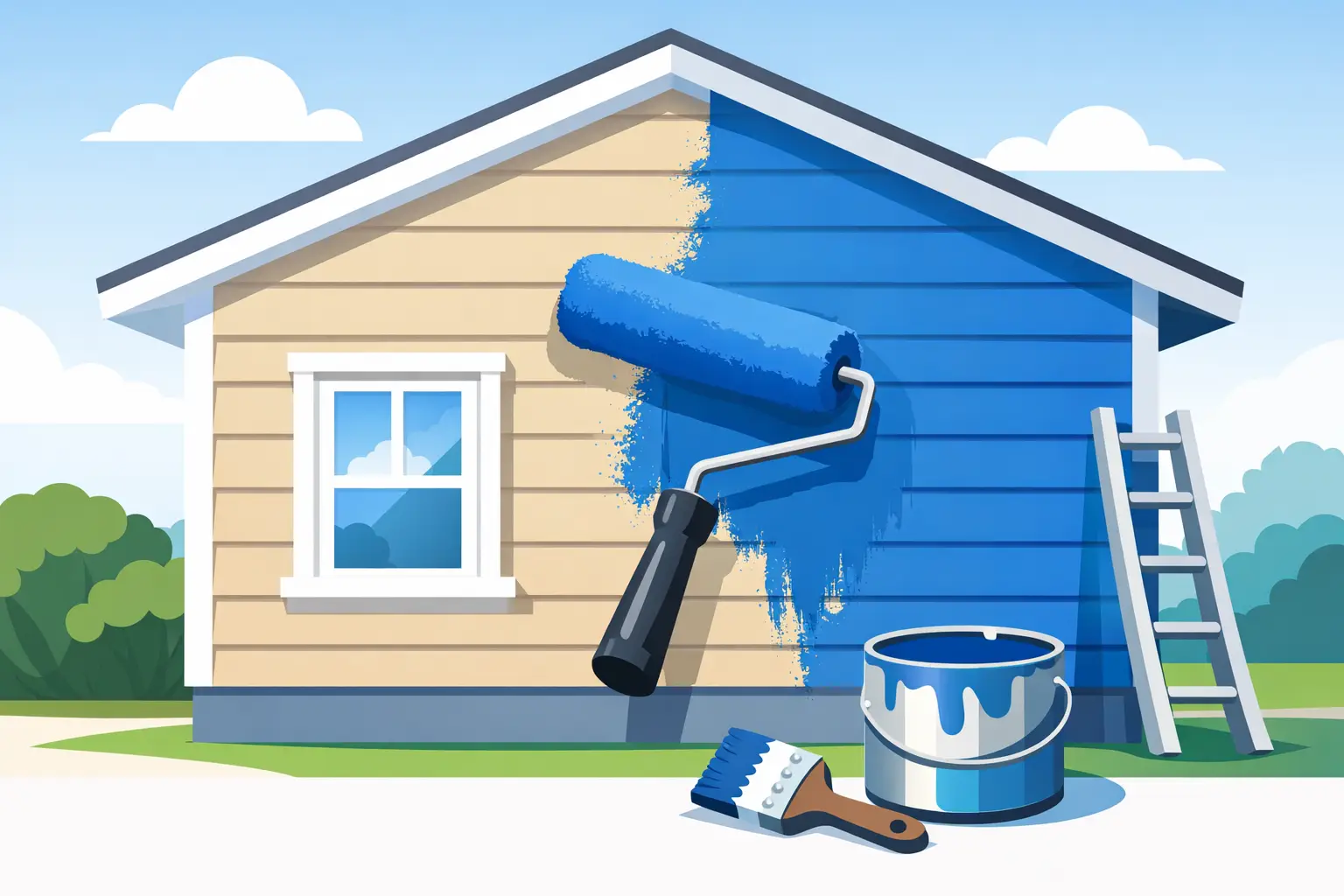
If your siding looks tired but still feels solid, the question usually comes up fast: can you paint vinyl siding, or are you throwing money at a short-term fix? The honest answer is yes, you can paint it. But whether you should depends on the condition of the siding, the color change you want, and how long you expect the result to last.
For many homeowners, painting vinyl siding makes sense when the panels are structurally sound and the main problem is fading. It can freshen curb appeal and buy time before a full replacement. If the siding is brittle, warped, cracked, loose, or already showing signs of age-related failure, paint will not solve the real problem. It may make the house look better for a season, but it will not restore damaged material.
Can you paint vinyl siding and get a lasting result?
Yes, but the result is only as good as the prep, product selection, and the condition of the siding underneath. Vinyl expands and contracts with temperature swings. That matters in New England, where homes can go from summer heat to freezing winter weather in a hurry. The coating has to flex with the material, and the color has to be chosen carefully.
This is where many paint jobs go wrong. Homeowners see faded siding and assume any good exterior paint will do. It will not. Vinyl-specific paint colors and proper surface prep are what separate a finish that holds up from one that peels, warps, or fades unevenly.
If your siding is chalky from sun exposure, covered with mildew, or has oxidation on the surface, those issues need to be handled first. Paint does not hide contamination very well. In fact, it tends to spotlight uneven prep once the job is done.
When painting vinyl siding is a smart move
Painting is usually worth considering when the siding is still lying flat, the seams are holding, and there is no widespread cracking or storm damage. If your home has older vinyl that has simply lost its original color, painting can be a practical middle-ground option.
It is also a reasonable choice when you want a visual update without taking on the larger cost of replacement right away. Some homeowners are planning a roof, windows, trim, or deck project in phases. In that case, painting siding can help improve the exterior now while you plan the bigger picture.
There is a trade-off, though. Paint is a coating system. Replacement is a material upgrade. If your goal is a fresh appearance for several years, painting may do the job. If your goal is long-term performance with less future maintenance, new siding often makes more sense.
When painting is the wrong answer
Paint cannot fix movement, water issues, or failing panels. If the siding rattles in the wind, has soft spots behind it, or shows signs of moisture getting where it should not, you need a closer look before anyone opens a paint can.
The same goes for homes with substantial warping. Vinyl can distort when it has aged poorly or absorbed too much heat. A darker paint color can make that worse. Since vinyl siding is designed with heat movement in mind, changing to a much darker color than the original can create problems, especially on walls with strong sun exposure.
A poor previous installation can also limit your options. If the panels were fastened too tightly, they may already be struggling to move properly. Adding paint does not correct that. It only puts a cleaner finish over an installation issue.
The color question matters more than most people think
Homeowners often focus on brand or sheen, but color choice is one of the biggest technical decisions in the project. In simple terms, lighter and similar-tone colors are safer. They absorb less heat and are less likely to stress the vinyl.
Modern paint systems do offer vinyl-safe darker colors, and some manufacturers specifically formulate paints to manage heat buildup better than older products did. Even so, this is not the place to guess. A dramatic jump from a light beige siding to a deep charcoal can be risky if the product is not designed for vinyl or if the house gets full afternoon sun.
That is why experienced contractors typically look at orientation, exposure, existing siding condition, and desired color together. The right answer is not just about what looks good on a sample chip. It is about what the siding can handle over time.
What proper prep actually looks like
A durable paint job starts with cleaning. Not a quick rinse. Real cleaning. Vinyl siding needs to be washed to remove dirt, oxidation, pollen, mildew, and any chalky residue. If that layer stays on the surface, the paint bonds to the contamination instead of the siding.
After cleaning, the siding needs time to dry fully. Then damaged sections should be identified. Small isolated issues may be repairable. Widespread damage usually shifts the conversation toward replacement.
In some cases, primer may be used, but not every vinyl siding paint project needs it. That depends on the condition of the surface and the paint system being used. What matters most is following the coating manufacturer's requirements instead of treating every house the same.
Weather matters too. Painting in direct hot sun, painting before a cold snap, or painting when moisture is likely to linger can all shorten the life of the finish. Timing the work properly is part of doing it right.
Paint vs. replacement: which gives better value?
This is where the answer becomes less about yes or no and more about return on investment.
If your siding is basically healthy and you want to improve curb appeal without a full exterior remodel, painting can offer good value. It costs less upfront and can noticeably improve how the home looks. For homeowners getting ready to sell, or those wanting to refresh the house before tackling other upgrades, that may be enough.
If the siding is old enough that multiple issues are starting to show at once, replacement usually wins on value over time. New siding can improve weather resistance, reduce maintenance, and give you a longer-lasting finish without the repaint cycle that comes with a coated surface.
For many homes, the smartest first step is not choosing between paint brands. It is getting an honest assessment of whether the siding still has enough life left to justify painting. A contractor who handles both siding and exterior painting can usually give a more balanced recommendation than someone selling only one option.
Can you paint vinyl siding yourself?
You can, but this is one of those projects that looks simpler from the ground than it really is. Even application, proper cleaning, ladder safety, product compatibility, and weather timing all matter. Miss one step and the finished house may still look uneven, streaky, or prematurely worn.
The bigger issue is diagnosis. Many homeowners can handle paint application. Fewer can spot whether the siding is failing, whether the trim transitions are vulnerable, or whether the color choice may create heat-related stress. That is where professional experience earns its keep.
A good contractor should not push paint if the house really needs siding work. They should explain what they are seeing, outline realistic options, and help you weigh short-term savings against long-term value.
What homeowners should ask before moving forward
Before approving a vinyl siding paint job, ask a few plain questions. Is the siding still sound? Are there damaged areas that should be repaired first? Is the color you want safe for vinyl? What prep is included? And how will the crew handle scheduling and cleanup?
Those questions matter because exterior work is not just about the final color. It is about how the project is managed from start to finish. Homeowners want clear expectations, a clean site, and a result that holds up. That is especially true on busy homes where one exterior project often leads into the next.
For homeowners across the North Shore and greater Boston area, the right answer often comes down to the same thing it always does: match the fix to the condition of the house. At US Home Improvement, that has guided exterior work since 1978.
If your vinyl siding is faded but still doing its job, painting may be a smart, cost-conscious way to extend its life and improve appearance. If the siding is failing, replacement is the better investment. Either way, the best decision starts with a clear look at what your home actually needs, not just what seems cheaper this week.