
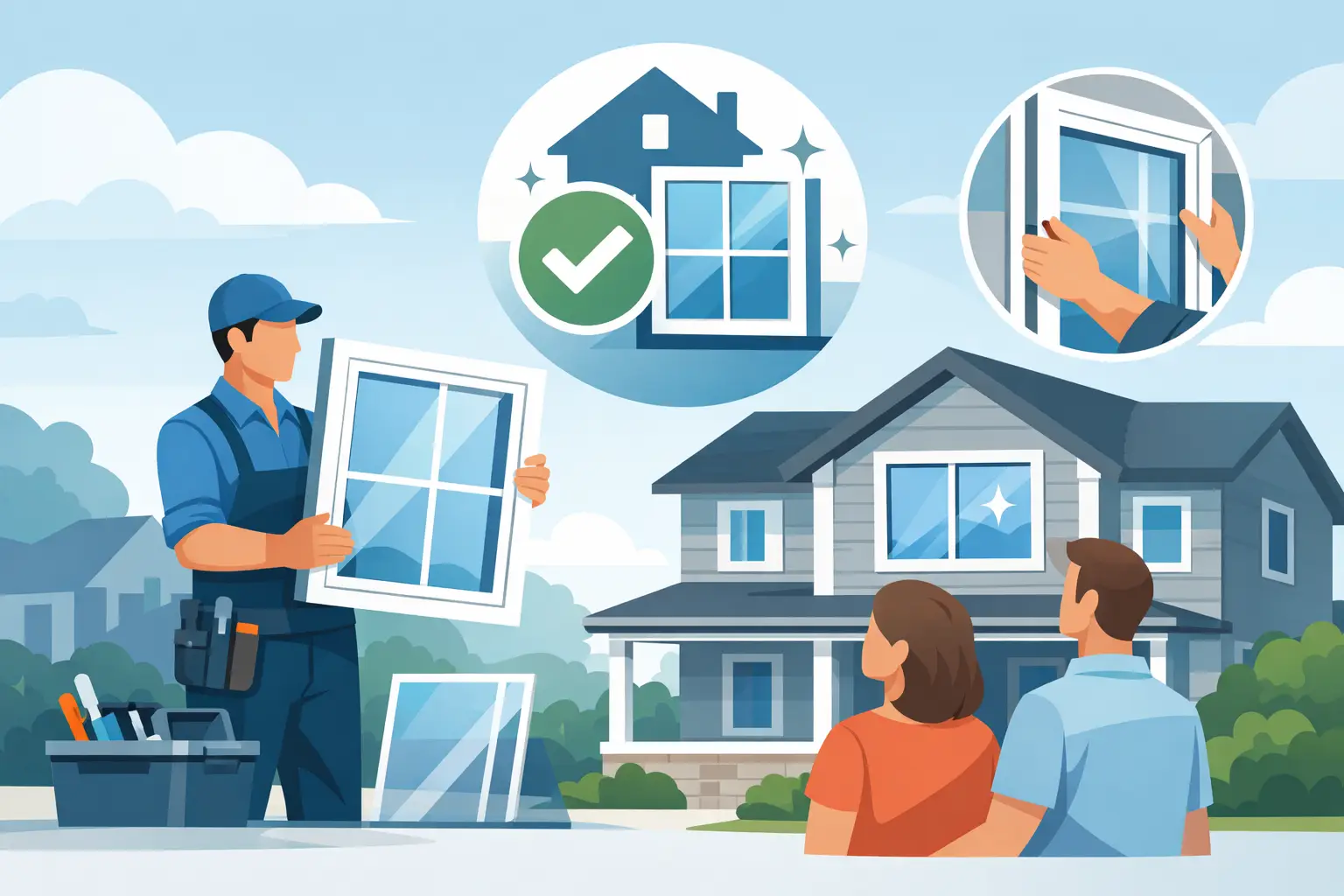
A window that sticks in January, fogs between the panes, or lets cold air curl across the floor is more than a minor annoyance. It is a daily reminder that part of your home is no longer doing its job. For window replacement Peabody MA homeowners can count on, the goal should be simple: choose windows that fit the house, install them with care, and finish the project without creating a new set of headaches.
A good replacement window improves comfort, appearance, and ease of use. A great installation also protects the surrounding wall from water intrusion, preserves clean interior trim lines, and holds up through years of North Shore weather. The product matters, but the workmanship around it matters just as much.
Know When Replacement Makes More Sense Than Repair
Not every aging window needs to be replaced immediately. A loose latch, worn weatherstripping, or a damaged screen can often be repaired. If the frame is solid, the glass is clear, and the window opens and closes properly, a targeted repair may be the sensible choice.
Replacement becomes the better investment when issues repeat or point to a larger failure. Common signs include condensation trapped between double-pane glass, rotted wood around the sash or sill, warped frames, persistent drafts, water stains near the opening, and windows that no longer lock or operate safely. Homes with older single-pane windows often show the problem in more than one way: cold rooms in winter, fading furnishings from sun exposure, and rising heating or cooling costs.
It also depends on your plans for the home. If you expect to paint the exterior, replace siding, or address trim rot in the next few years, coordinating the work can prevent duplicate labor and give the finished exterior a more consistent look. On the other hand, replacing one badly failed window now can be the right move if a whole-house project is not in the budget.
What to Look for in Replacement Windows
The best window is not always the most expensive one. It is the one that matches your home, your priorities, and the conditions around the opening. A detailed quote should make those differences clear rather than leaving you to compare vague promises.
For many local homes, vinyl replacement windows offer strong value, low maintenance, and dependable energy performance. Fiberglass can be a worthwhile step up for homeowners seeking a very stable material with a painted appearance. Wood or wood-clad options may suit historic character and certain architectural styles, though they generally require more maintenance and carry a higher cost.
Glass packages deserve careful attention. Low-E coatings help manage heat transfer and can reduce the effect of strong sun. Double-pane insulated glass is common, while triple-pane glass may make sense for particularly exposed locations, noisy streets, or homeowners focused on maximum winter comfort. Triple-pane is not automatically necessary for every room. Its added cost should be weighed against the improvement you will actually feel and the goals of the project.
Style matters too. Double-hung windows are familiar and work well in many traditional Peabody homes. Casement windows can provide broad ventilation and a tight seal when closed. Sliding windows may fit wide openings, while picture windows bring in light where ventilation is not needed. A contractor should discuss operation, sightlines, exterior appearance, and furniture placement before recommending a style.
Window Replacement in Peabody MA Starts With the Opening
A replacement window is only as dependable as the opening it goes into. That is why an on-site assessment should look beyond glass and frame color. The installer needs to check the existing sill, exterior casing, flashing conditions, interior trim, signs of moisture, and whether the opening is square and structurally sound.
Some projects can use an insert replacement, where the new window fits within an existing solid frame. This approach can be efficient and may preserve interior trim. But it slightly reduces the glass area, and it is not appropriate when the existing frame has rot, water damage, or other structural concerns.
A full-frame replacement removes the old window down to the rough opening. It gives the crew the opportunity to inspect framing, address hidden damage, install proper weather protection, and create a clean new opening. It is more involved, but it is often the right choice when failure extends beyond the old sash.
There is no one-size-fits-all answer. Homeowners deserve to know which approach is being proposed, why it fits their house, and what work is included if hidden deterioration is discovered. Clear expectations before work begins are far better than surprises after the old window comes out.
A Clean, Disciplined Installation Process Matters
Window work affects rooms you use every day. A professional crew should make the process feel organized from the first measurement through final cleanup. Before installation, confirm access needs, furniture protection, alarm contacts, window treatments, pets, and any rooms that require special care.
On installation day, crews should protect work areas, remove the old units carefully, and keep the site orderly as they move from opening to opening. The new window must be set level, plumb, and square, then insulated and sealed in a way that manages both air and water. Exterior trim, caulking, and interior finish work should look intentional, not patched together.
Daily cleanup is not an extra courtesy. It is part of respecting a homeowner's property. So is communication. If a crew finds rot behind trim or notices that a planned detail needs to change, the homeowner should hear about it promptly, along with the available solutions and cost implications.
At the end of the job, take time to operate each window. Check locks, screens, sash movement, and finish details. Ask about cleaning, maintenance, and warranty coverage. A new window should not feel unfamiliar when the crew leaves.
How to Compare Quotes Without Chasing the Lowest Number
The lowest estimate may look attractive, especially on a larger project. But a price alone does not tell you what is being installed or how the contractor plans to handle the work. One quote may cover a basic insert installation, while another includes full-frame removal, exterior trim repairs, better glass, and disposal. Those are not equal scopes.
Ask for a quote that identifies the window manufacturer and series, style, glass package, color, hardware, screens, installation method, trim work, disposal, and warranty responsibilities. If the quote says "as needed" for repair work, ask how that work will be priced and approved.
It helps to review choices in practical tiers. A Good, Better, Best approach can make decisions easier by showing what changes with each investment level. Maybe the good option solves the immediate draft problem, the better option improves glass performance and appearance, and the best option includes premium materials or a more extensive full-frame scope. The right choice is the one that serves the home well without stretching the project beyond reason.
Experience should carry weight, too. A contractor with established crews and a long local track record is better positioned to manage measurements, scheduling, finish work, and the unexpected conditions older homes can reveal. Since 1978, US Home Improvement has approached exterior work with that kind of craftsmanship-first accountability, backed by a 100% quality guarantee.
Plan Around Weather, Lead Times, and Other Exterior Work
Window replacement can be completed in many seasons, including colder months when crews can work opening by opening to limit exposure. Still, weather affects scheduling, exterior caulking, painting, and any related siding or trim repairs. A realistic schedule is more valuable than a promise that ignores the forecast.
Order lead times can also vary by window type, color, glass configuration, and custom sizing. Measure carefully before ordering, then leave room in your plans for production and delivery. If you are coordinating siding, roofing, or exterior painting, discuss the sequence early. Installing windows before new siding or trim work is often cleaner, but the right order depends on the existing conditions and project scope.
The best time to start is before the failed windows force the decision. Take a walk through your home, note the rooms that feel uncomfortable, and look closely for moisture, rot, or operating problems. Then schedule a thorough consultation and ask for clear options. A well-planned window project should leave your home quieter, more comfortable, and better protected - with workmanship you can feel every time you close the sash.