A roof usually starts getting your attention when something goes wrong - a leak near the chimney, shingles in the yard after a windy night, or dark streaks that suddenly make the whole house look tired. But if you are planning ahead, asking about the best roofing materials for longevity is the right place to start. The material you choose affects far more than curb appeal. It shapes how your roof handles New England weather, how often you will need repairs, and how long you can expect real peace of mind.
For homeowners in Essex County and the greater Boston area, longevity is never just about a number on a brochure. A roof has to stand up to freeze-thaw cycles, salt air in some communities, heavy rain, snow load, ice dams, summer heat, and the kind of wind that tests every weak spot. That is why the longest-lasting roof on paper is not always the best fit on your house. The right choice comes down to climate, structure, maintenance expectations, and budget.
What makes a roofing material last?
Longevity comes from more than the surface material itself. A well-built roofing system includes proper underlayment, solid ventilation, correct flashing details, good attic airflow, and quality installation. Even an excellent product can fail early if it is installed poorly or if moisture gets trapped in the attic.
That is one reason homeowners should be careful about shopping on price alone. A low bid may look appealing at first, but shortcuts in decking repair, flashing replacement, or ventilation can shorten the life of the entire roof. A long-lasting result depends on craftsmanship as much as the shingle, tile, or metal panel you see from the street.
Best roofing materials for longevity: how they compare
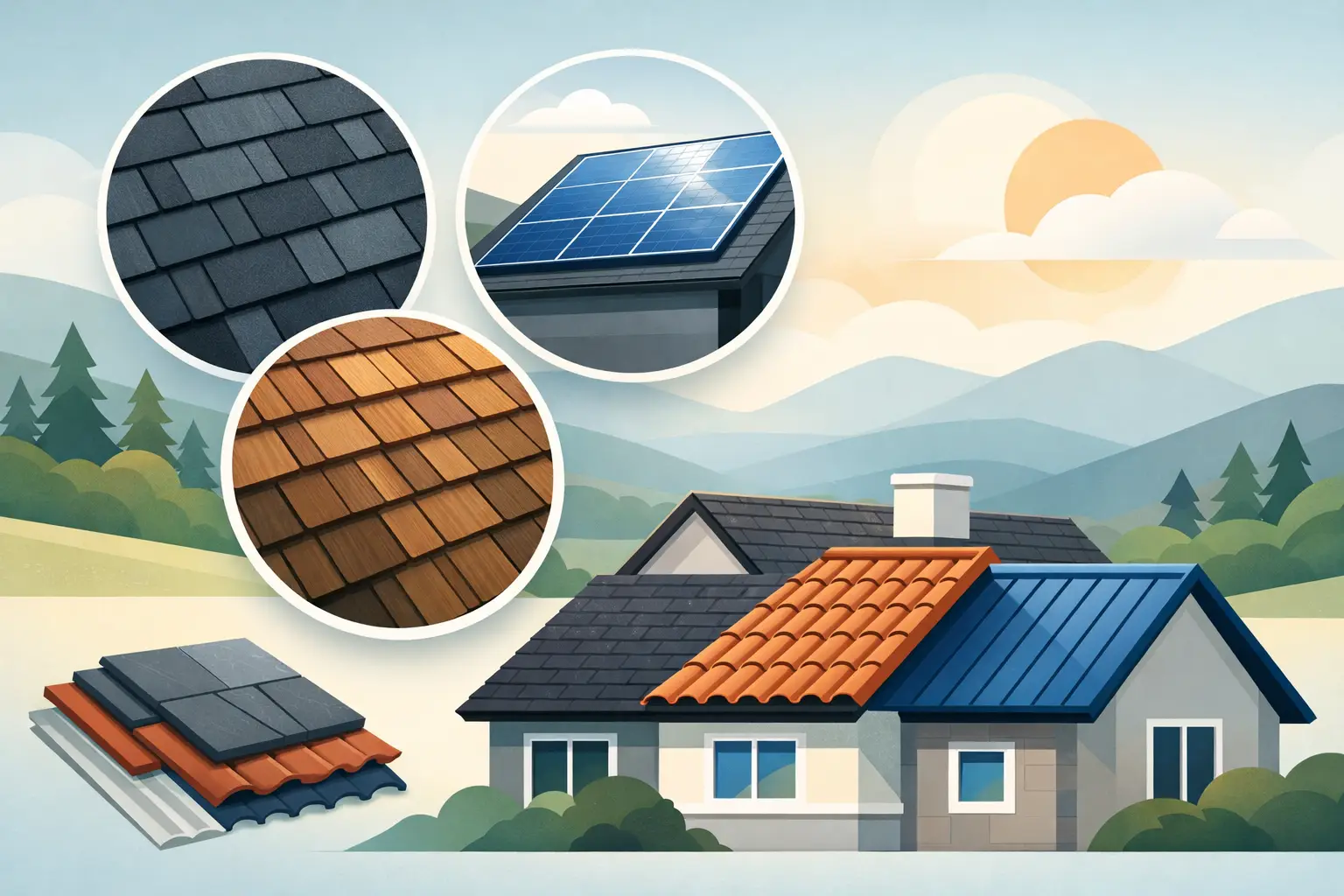
If your goal is a roof that lasts, a few materials consistently rise to the top. Each has strengths, trade-offs, and ideal use cases.
Slate roofing
Slate is often the benchmark for roof longevity. A natural slate roof can last 75 to 100 years or more when installed correctly and maintained well. It resists fire, handles moisture effectively, and delivers a classic appearance that fits many older New England homes beautifully.
The trade-off is weight and cost. Slate is heavy, and not every home is framed to support it without structural reinforcement. Installation also requires real skill. This is not a material for rushed work or general guesswork. Repairs can be more specialized too. For the right house and budget, slate is one of the most durable roofing choices available. For many homeowners, though, it is a premium option rather than a practical one.
Metal roofing
Metal roofing is one of the strongest all-around performers for homeowners who want long service life without stepping all the way up to slate. Depending on the system and metal type, a metal roof can often last 40 to 70 years. It sheds snow well, resists rot and insect damage, and performs reliably in harsh weather.
In Massachusetts, metal can be especially attractive for homes exposed to wind, ice, and coastal conditions. Standing seam systems are known for durability and clean lines, while metal shingles can offer a more traditional look. The main considerations are upfront cost, noise perception, and installer experience. A properly installed metal roof is not the noisy tin roof some people imagine, but details matter. Expansion and contraction, fastening methods, and flashing work all need to be handled correctly.
Architectural asphalt shingles
For many homeowners, architectural asphalt shingles offer the best balance of cost, appearance, and lifespan. They do not last as long as slate or high-end metal, but they are still among the best roofing materials for longevity when budget matters. A quality architectural shingle roof often lasts 25 to 35 years, sometimes longer under the right conditions.
This is the most common roofing choice because it works well on a wide range of homes and keeps replacement costs more manageable. It also gives homeowners plenty of style options. The key is not to confuse all asphalt roofing with the same level of performance. Basic 3-tab shingles generally have a shorter lifespan than architectural shingles, and premium designer shingles can offer better wind resistance and thicker construction.
For many families, this lands in the sweet spot. You get dependable protection, strong curb appeal, and a more approachable price than slate or metal. When paired with proper ventilation and careful installation, architectural shingles can be an excellent long-term value.
Cedar shakes and shingles
Cedar has a natural beauty that is hard to match. On the right home, it brings warmth, texture, and character that manufactured materials often try to imitate. In terms of longevity, cedar roofs can last around 20 to 40 years depending on product quality, climate exposure, ventilation, and maintenance.
The catch is maintenance. Cedar is more vulnerable than slate or metal to moisture-related issues, moss, mold, and weathering, especially if the roof does not dry properly between storms. In a New England climate, that matters. Cedar can still be a good fit for homeowners who love the look and understand the upkeep, but it is not usually the low-maintenance answer for someone focused purely on maximum lifespan.
Clay and concrete tile
Tile roofing is well known for durability, with lifespans often reaching 50 years or more. Clay tile in particular can last a very long time. It also offers strong resistance to fire and weather. However, tile is far more common in warmer regions than in Massachusetts, and there are practical reasons for that.
Weight is a major factor, just as it is with slate. Freeze-thaw conditions can also be harder on some tile products over time. While tile performs beautifully in the right setting, it is not typically the first recommendation for most homes in the Northshore or greater Boston area. It can work, but it is a more specialized choice.
The best value is not always the longest lifespan
This is where many homeowners get stuck. If slate lasts the longest, does that automatically make it the best choice? Not necessarily.
A roof should be evaluated the same way you would evaluate any major home investment. You need to look at lifespan, yes, but also installation cost, future repair complexity, structural requirements, appearance, and how long you realistically plan to stay in the home. A 100-year roof may sound ideal, but if it stretches the budget too far or requires structural upgrades, it may not be the smartest decision.
That is why a tiered approach often makes sense. Good, Better, Best is not just a sales idea. It is a practical way to compare roofing materials honestly. A premium architectural shingle may offer better real-world value for one homeowner, while a standing seam metal roof may be the right long-term move for another.
What works best in Massachusetts?
For homes across Peabody, Essex County, and nearby communities, architectural asphalt shingles and metal roofing are often the most practical long-lasting options. They handle local weather well, fit a broad range of home styles, and make sense for many budgets.
Slate remains a top-tier longevity choice for the right property, especially historic or higher-end homes built to support it. But for the average homeowner looking for a durable, attractive roof without stepping into specialty pricing, architectural shingles often remain the strongest value. Metal is increasingly popular for homeowners who want a longer service life and are comfortable with a higher upfront investment.
The right answer depends on the house. Roof pitch, attic ventilation, tree coverage, sun exposure, and even proximity to the coast can affect performance over time. A material that works beautifully on one home may be less ideal on another just a few towns away.
Installation quality matters as much as material
Homeowners sometimes spend weeks comparing products and only minutes comparing installation standards. That is backwards. The product matters, but the crew installing it matters just as much.
A long-lasting roof needs careful tear-off work, thorough deck inspection, correct flashing around chimneys and penetrations, strong ventilation planning, and clean execution from start to finish. It also helps when the contractor gives clear options instead of pushing one product no matter what. At US Home Improvement, that kind of detailed, homeowner-focused quoting has long been part of helping families make decisions with confidence rather than pressure.
If you are comparing proposals, ask what is included below the visible roofing layer. Ask about flashing, ventilation, ice and water protection, cleanup, scheduling, and workmanship coverage. Those details often determine whether a roof lasts as expected or starts showing problems early.
How to choose the right long-lasting roof for your home
Start with your priorities. If maximum lifespan is the only goal and your home can support it, slate deserves serious consideration. If you want durability, weather resistance, and a long service life with a cleaner modern profile, metal is a strong candidate. If you want solid longevity, broad style choices, and dependable value, architectural asphalt shingles are often the practical winner.
Then look at your house honestly. How long do you plan to stay? How much maintenance are you willing to take on? Does the structure support heavier materials? Are you upgrading for resale, for your family, or for both? These questions matter as much as any manufacturer claim.
A roof is one of the few upgrades that protects nearly every other part of the home. Choosing well means looking beyond the sticker price and thinking in years, not seasons. When the material fits the house, the climate, and the installation is done right, you are not just buying shingles or panels. You are buying fewer surprises, fewer repairs, and a home that stays protected through whatever New England sends next.