
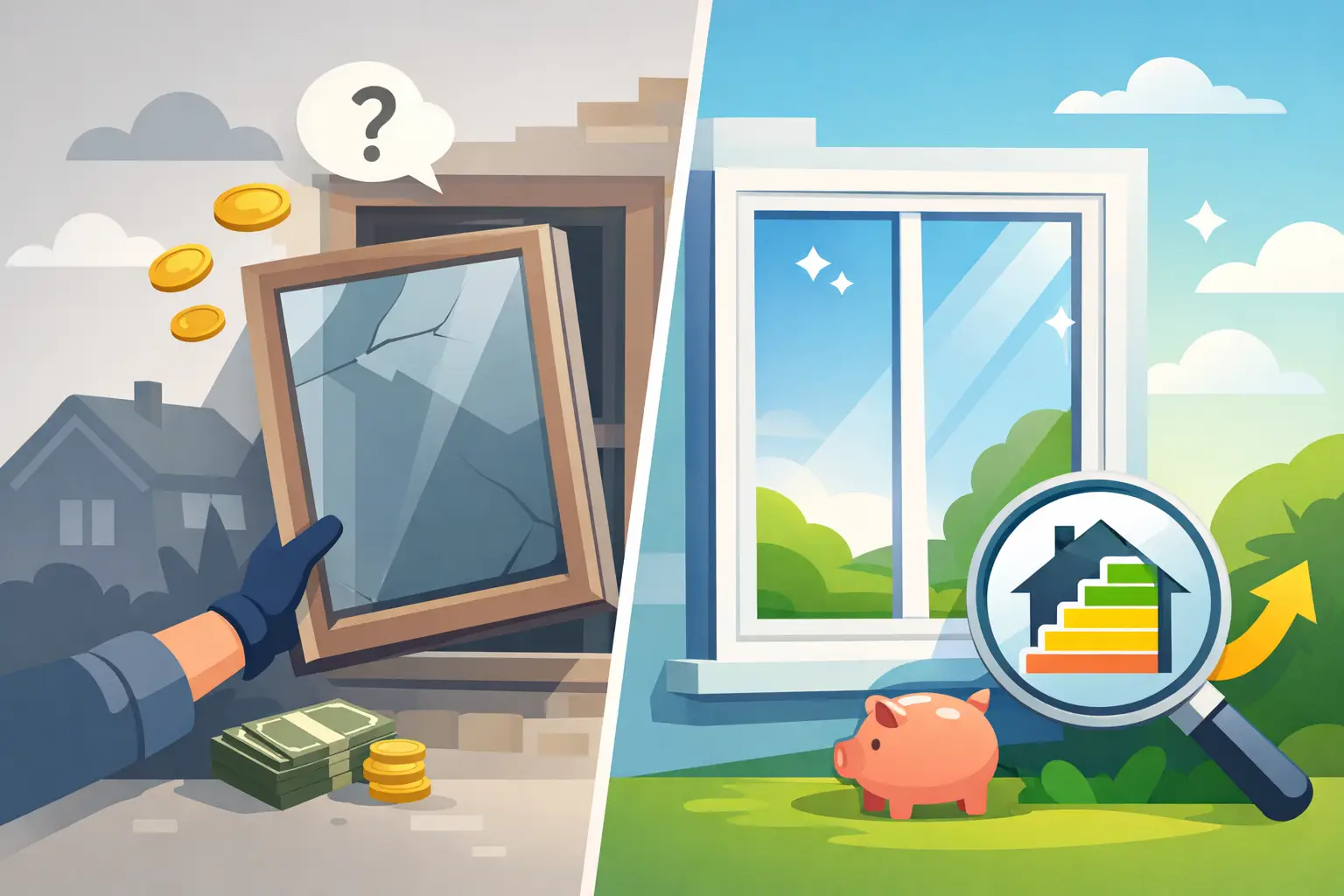
If you have to lower your voice near a drafty window in January, or you see condensation trapped between panes, you are probably asking the right question: are replacement windows worth it? For many homeowners in Massachusetts, the answer is yes - but not for every house, every budget, or every window.
That is what makes this decision worth slowing down for. New windows can improve comfort, reduce outside noise, tighten up energy loss, and give the whole home a cleaner, better-kept look. But the real value depends on what problem you are trying to solve, how bad the existing windows are, and whether the installation is done properly.
Are replacement windows worth it for your home?
Replacement windows are usually worth it when your current windows are failing in ways you feel every day. If rooms are cold near the glass, frames are rotting, locks no longer work well, or your energy bills keep climbing without another clear cause, replacement often makes sense. In older homes around Essex County and the greater Boston area, that combination is common.
On the other hand, if your windows are structurally sound and the issue is minor weatherstripping, a broken sash cord, or a small hardware repair, full replacement may be more than you need. A good contractor should be honest about that. Not every window problem calls for a full-window project.
The better question is not just whether replacement windows are worth it in general. It is whether they are worth it for your house, your priorities, and your timeline.
Where homeowners usually see the value
The first place people notice a difference is comfort. Older windows can create cold spots in winter and let too much heat in during summer. Even when the furnace or AC is working hard, the room never feels balanced. New, properly fitted windows help stabilize indoor temperatures, which can make everyday living noticeably better.
Energy savings matter too, but it helps to keep expectations realistic. Replacement windows can reduce heat loss and improve efficiency, especially if your existing units are single-pane, poorly sealed, or badly worn. Still, most homeowners should not expect windows alone to slash utility bills overnight. The payoff is usually a mix of lower energy waste, better comfort, and fewer headaches.
There is also the curb appeal factor. Windows take up a lot of visual space on a home. When they look cloudy, chipped, mismatched, or dated, the whole exterior feels tired. Clean, well-proportioned replacement windows can sharpen the look of the house from the street and improve pride of ownership just as much as resale potential.
Then there is maintenance. Older wood windows can require regular scraping, painting, reglazing, and repair. For some homeowners, that upkeep is part of the charm. For many others, it is one more thing that never gets done on schedule. Modern replacement options can cut down on maintenance and give you more reliability year after year.
When replacement windows may not be worth it
There are cases where replacement windows are not the best first move. If your home has larger air leaks in the attic, poor insulation in the walls, or old exterior doors that are letting in just as much cold air, windows may only be one part of the problem. Replacing them can still help, but the overall improvement may feel smaller than expected.
Budget is another real factor. If you are planning a roof replacement, siding work, or structural repairs, it may make more sense to prioritize the items affecting water intrusion or envelope failure first. Windows are important, but they should be weighed in the context of the whole exterior.
Historic homes can be more nuanced. Some original windows can be restored, and some homeowners want to preserve that character. In those cases, the right answer may be selective replacement, careful matching, or a broader discussion about aesthetics and long-term upkeep.
Signs your current windows are at the end of the line
Some warning signs are obvious. Rotting frames, cracked glass, failed seals, water infiltration, and windows that do not open or lock correctly are hard to ignore. Those issues go beyond inconvenience. They can affect security, efficiency, and the condition of surrounding trim and wall areas.
Other signs are easier to miss because homeowners get used to them. A room that is always colder than the rest of the house, drafts near the sash, rising street noise, or condensation between panes can point to windows that are no longer doing their job. If you see peeling paint or soft wood around the frame, that may also indicate moisture problems that should be addressed before they spread.
If several of these issues are showing up at once, replacement usually delivers better long-term value than putting money into repeated patchwork repairs.
Cost matters, but so does installation quality
A lot of frustration around replacement windows starts with one thing: comparing price without comparing scope. Not all window projects are equal. Frame condition, trim work, insulation around the opening, product grade, glass package, and installation method all affect the outcome.
That is why the cheapest quote is not always the best value. A low number can leave out finish details, use lower-grade materials, or skip the kind of prep work that keeps the job performing over time. Homeowners often end up paying for that later in drafts, callbacks, or cosmetic issues.
Good replacement windows installed poorly can still perform badly. Proper measurement, proper sealing, and clean finish work matter just as much as the product itself. If a contractor cannot explain the installation process clearly, that is a red flag.
For many homeowners, a tiered approach makes the decision easier. Seeing Good, Better, Best options helps you understand where the money is going and what upgrades are actually worth paying for based on your home and goals.
Are replacement windows worth it before selling?
If you are preparing to sell, replacement windows can help - but the payoff depends on your market, your existing window condition, and the rest of the home. Buyers notice windows because they affect both appearance and peace of mind. Old, fogged, damaged windows can make a home feel like it has deferred maintenance.
That said, replacement windows usually work best as part of an overall exterior improvement plan rather than a last-minute flip tactic. If the house also needs paint, siding repair, or entry door work, those elements should be considered together. Buyers respond well to homes that look cared for from the outside in.
Even when you do not recover every dollar directly at sale, newer windows can help the home show better, photograph better, and feel more move-in ready. That matters.
The local factor in New England homes
In this part of Massachusetts, windows take a beating. Cold winters, humid summers, coastal moisture, wind-driven rain, and freeze-thaw cycles all test the quality of the product and the installation. A window that looks fine from the sidewalk can still be underperforming badly once temperatures swing.
That is why local experience matters. Homes in Peabody, on the North Shore, and across greater Boston are not all built the same. Older colonials, capes, ranches, and multifamily properties each have different trim conditions, framing realities, and replacement challenges. An installer who understands those details is more likely to spot issues before they turn into delays or change orders.
At US Home Improvement, that practical side of the work has always mattered. Homeowners want good results, but they also want clear scheduling, clean daily cleanup, and a crew that treats the house with respect. That is part of what makes a window project feel worth it.
How to decide with confidence
If you are still weighing the question, start with the problems you want solved. Are you trying to make the house more comfortable, improve appearance, cut maintenance, reduce noise, or address failing units? The clearer your goal, the easier it is to judge whether replacement is the right investment.
Then look at timing. If your windows are actively failing, waiting usually does not make them cheaper to fix. If they are aging but still functional, you may have time to plan the project carefully, compare options, and align it with other exterior upgrades.
Most of all, get a detailed quote. Not a vague number. You want to know what is being installed, how the openings will be finished, what condition issues are included, and what warranty support looks like after the job is done. A well-run project is not just about the glass. It is about craftsmanship, communication, and getting the job done right the first time.
So, are replacement windows worth it? When your current windows are costing you comfort, appearance, and peace of mind, they usually are. The right project should make your home feel tighter, look better, and give you one less thing to worry about every time the weather turns.