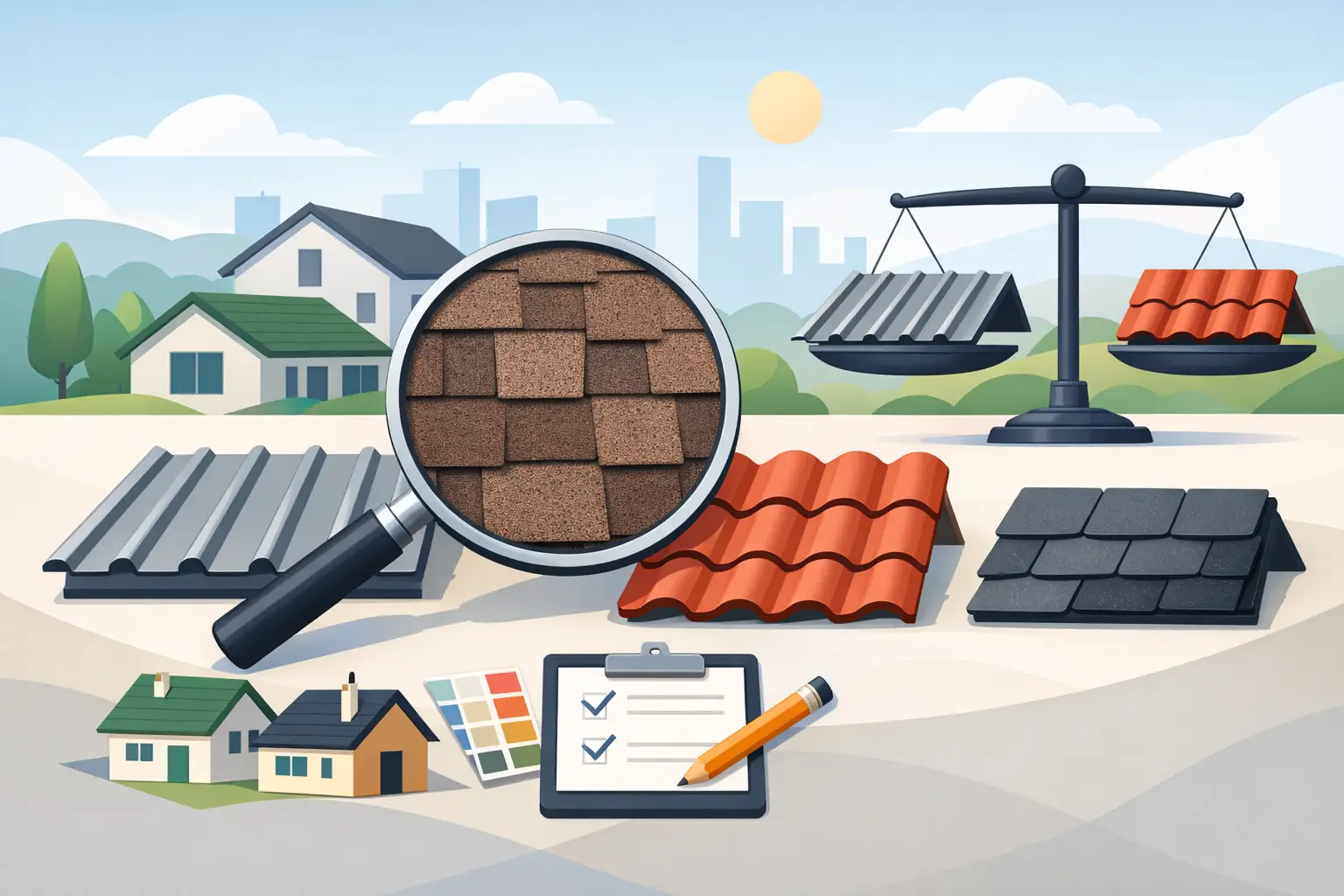
A roof can look fine from the street and still be the wrong choice for the house underneath it. That is why homeowners often ask how to compare roofing materials in a way that goes beyond color samples and price tags. The right roof has to fit your home’s structure, your budget, your long-term plans, and the kind of weather we get here in Massachusetts.
If you are replacing a roof, this decision matters for decades. Some materials cost less up front but wear out sooner. Others hold up longer but require a bigger initial investment. The smartest way to choose is not to ask, “What is the best roofing material?” It is to ask, “What is the best fit for this house, this budget, and this homeowner?”
How to compare roofing materials the right way
Start with performance, not just appearance. A roof should protect against wind, rain, snow, ice, and temperature swings before it does anything for curb appeal. Once you know a material can handle your local conditions, then you can weigh looks, cost, maintenance, and expected lifespan.
For most homeowners, the comparison comes down to five practical questions. How long will it last? What will it cost to install? How will it look on the house? How much maintenance will it need? And how well will it perform in local weather? If you compare materials through that lens, the decision gets much clearer.
Cost is only one part of the price
It is natural to start with budget. Roofing is a major investment, and most homeowners want a number they can work with. But the cheapest material on day one is not always the most affordable over time.
Asphalt shingles usually have the lowest upfront cost, which is why they remain the most common residential roofing material. They offer solid value and a wide range of styles. Architectural shingles cost more than basic 3-tab shingles, but they generally provide better durability, better curb appeal, and a longer life.
Metal roofing usually costs more at installation, sometimes significantly more depending on the profile and finish. That higher upfront price can make sense for homeowners planning to stay in the house for many years, especially if they want longer service life and lower maintenance.
Premium materials like slate or cedar can be attractive, but they come with higher material and labor costs. In some cases, the roof structure may also need to support additional weight or require specialized installation. That changes the total project cost fast.
A better question than “What does it cost?” is “What am I paying for over 20 to 50 years?” That is where value starts to show.
Lifespan tells you what the investment really buys
When you compare roofing materials, lifespan should carry real weight. A roof is not something most homeowners want to revisit every 12 to 15 years if they can avoid it.
Basic asphalt shingles may last around 15 to 20 years under normal conditions, while higher-grade architectural shingles often last longer. Metal roofs can often last 40 to 70 years depending on the product, installation quality, and exposure. Slate can last even longer, but it is a specialized choice and not the right fit for every home.
That said, lifespan claims need context. Manufacturer estimates assume proper ventilation, sound roof decking, correct flashing details, and quality installation. Even the best material will underperform if the system beneath it is not handled correctly. That is one reason detailed quoting and clear scope matter. A roof is a full system, not just the visible surface.
Weather performance matters in New England
In our area, roofing materials have to deal with more than sunshine and a little rain. Snow load, ice dams, wind-driven rain, freeze-thaw cycles, and humid summer conditions all put stress on a roof.
Asphalt shingles perform well in many Massachusetts homes, especially when paired with the right underlayment, ventilation, and ice-and-water protection. They are versatile, widely available, and well suited to many roof shapes.
Metal roofing sheds snow efficiently and can perform extremely well in harsh weather, but details matter. Fasteners, flashing, trim work, and attic ventilation all need to be right. A poorly installed metal roof can create just as many headaches as a poorly installed shingle roof.
Cedar has a classic look, but it requires more maintenance and can be more sensitive to moisture issues if conditions are not ideal. Slate is highly durable, but heavy, expensive, and best handled by crews with specific experience.
This is where local knowledge counts. A roofing material that performs well in a dry climate may not be the best answer for a coastal Massachusetts home that sees driving storms and winter ice.
Style should match the house, not fight it
Most homeowners care about curb appeal, and they should. A new roof is one of the most visible exterior improvements you can make. But style is not just about picking a color you like.
A roof should fit the home’s architecture, siding color, trim, and overall character. Architectural asphalt shingles work well on a wide range of homes because they offer texture and dimension without looking overdone. Metal can look sharp and clean on the right house, especially where the design supports it. Cedar and slate have strong visual character, but they can feel out of place if the home itself does not support that look.
Resale matters here too. The roof should improve the home’s appearance in a broad, lasting way. Trends come and go. A classic, well-matched roof usually serves homeowners better than a bold choice that may age poorly.
Maintenance can change the equation
Some homeowners do not mind a little upkeep. Others want to install a roof and think about it as little as possible. Be honest about that before you choose.
Asphalt shingles are generally low maintenance, though they still need periodic inspection, especially after storms. Metal roofs also tend to be low maintenance when installed correctly. Cedar typically demands more attention over time. Premium materials may last longer, but repairs can also require more specialized labor.
Maintenance also depends on the home site. Shade, overhanging branches, poor drainage, and debris buildup can shorten roof life regardless of material. A house surrounded by trees may face different roofing demands than an open site with full sun and steady airflow.
How to compare roofing materials by total fit
At this stage, the goal is not to crown one winner. It is to narrow the field based on what matters most to you.
If you want strong value, dependable performance, and broad style options, architectural asphalt shingles are often the practical choice. If you plan to stay in the home long term and want extended lifespan, metal may deserve a closer look. If your home has a distinct historic or architectural style and your budget allows for it, slate or cedar may be worth discussing.
The best comparison usually happens when your contractor gives you realistic options instead of pushing a single product. A Good, Better, Best approach helps many homeowners weigh trade-offs without getting buried in technical details. That might mean comparing a standard asphalt system, an upgraded architectural shingle system, and a premium long-life option side by side.
Done well, that kind of quote shows more than material price. It explains ventilation needs, flashing details, underlayment choices, warranty differences, and expected service life. That is how you make a confident decision.
Installation quality matters as much as material choice
This is the part homeowners sometimes miss. The material gets the attention, but workmanship decides a lot of the outcome.
A well-installed asphalt roof will usually outperform a poorly installed premium roof. Flashing at chimneys and valleys, attic ventilation, cleanup around the property, protection of landscaping, and daily communication during the job all matter. Roof replacement is not just a materials purchase. It is a construction project on your home.
That is why experience, crew quality, and clear project management should factor into your comparison. A contractor who provides a detailed quote, realistic scheduling, and clear communication is helping protect your investment before the first shingle goes on. At US Home Improvement, that guided process has mattered to local homeowners for decades because it reduces stress and leads to better results.
A smart roof choice is the one you will still feel good about later
If you are trying to decide how to compare roofing materials, keep your focus on the full picture. Look at cost, but also look at lifespan, weather performance, maintenance, appearance, and the quality of the installation behind it. A roof is too important to choose on price alone.
The right material should fit the house, the climate, and your plans for the years ahead. When the quote is detailed, the options are clearly explained, and the workmanship is dependable, the decision gets a lot less overwhelming. Take the time to compare carefully now, and your roof can reward you with decades of protection and peace of mind.