A front door can look solid, feel heavy, and still leave a home vulnerable at its weakest point: the lock, strike plate, hinges, or frame. Real entry door security is not about buying the most expensive deadbolt on the shelf. It is about making sure every part of the opening works together, from the door slab to the hardware and the installation behind the trim.
For homeowners across the North Shore and greater Boston, this is also a practical durability issue. A door that shifts with seasonal moisture, has gaps around the jamb, or no longer latches cleanly can affect security, comfort, and energy efficiency at the same time. The right improvements should address all three.
Start With the Door and Frame
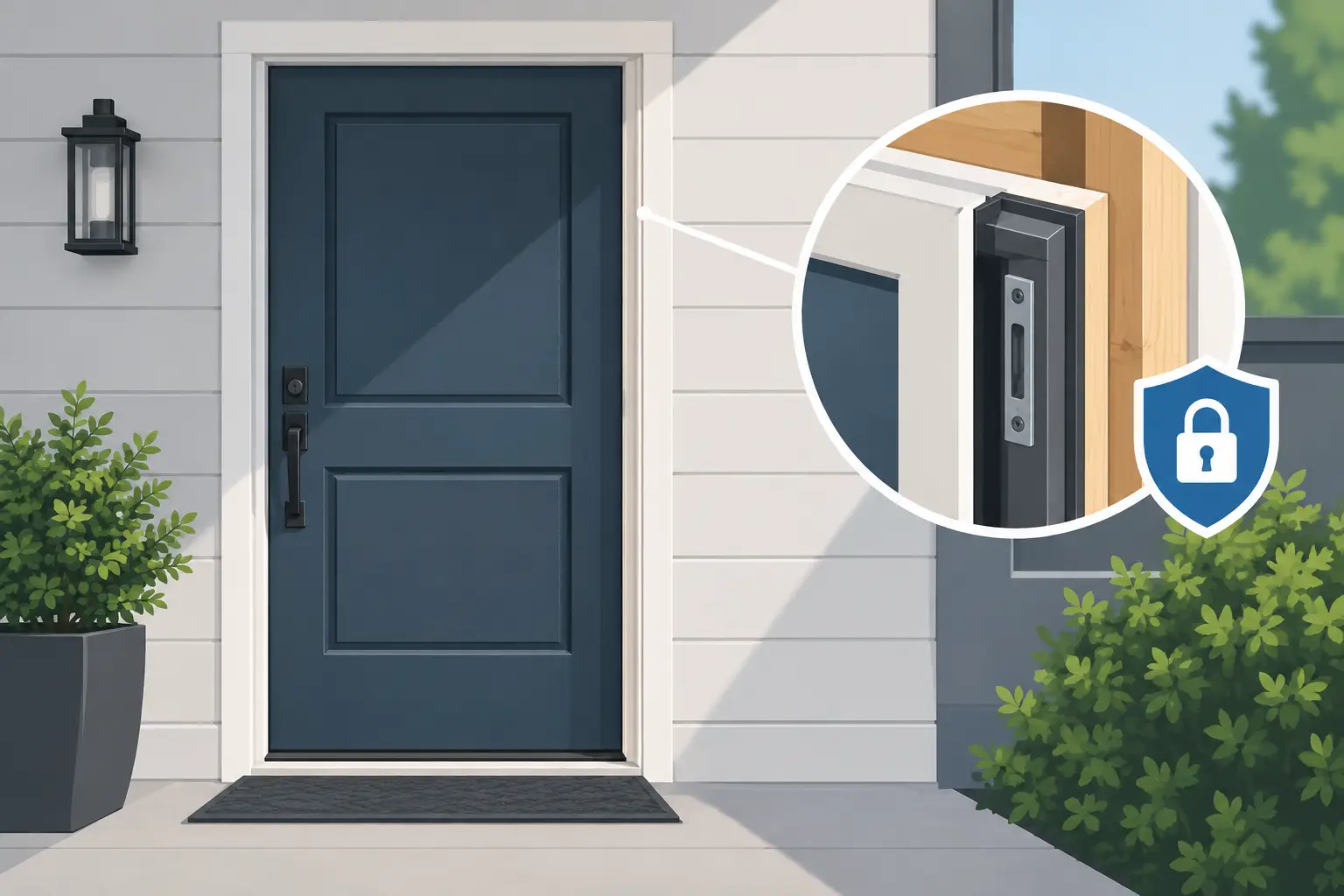
The door itself is only one piece of a secure entrance. Many forced-entry attempts target the area around the lock, where a weak strike plate or deteriorated jamb can give way before the door does. That is why a security conversation should begin with the condition of the full door system.
Wood doors can be beautiful and long-lasting when properly maintained, but they need regular attention. Rot at the sill, water damage around the frame, split jambs, and loose trim can all compromise the opening. Fiberglass and steel entry doors are popular alternatives because they offer durable skins, consistent performance, and less upkeep. Neither material is automatically right for every home. The best choice depends on the home’s style, exposure to weather, budget, and the condition of the existing opening.
A secure frame should be sound, firmly fastened, and properly shimmed so the door closes without rubbing or binding. If a door has to be lifted, pulled hard, or pushed into place to engage the latch, do not ignore it. The problem may be settling, failed hardware, seasonal movement, or an installation issue that deserves a closer look.
Look for warning signs before replacing hardware
New locks will not solve a structural problem. Watch for visible cracks near the strike plate, soft wood at the jamb or threshold, screws that no longer hold, a deadbolt that will not extend smoothly, or daylight visible around the door when it is closed. These are signs that the door assembly may need repair or replacement rather than a simple hardware upgrade.
Strengthen the Lock Side of the Door
A quality deadbolt remains one of the most worthwhile upgrades for entry door security. For most exterior doors, a single-cylinder deadbolt is the familiar choice: a key operates it outside, and a thumb turn operates it inside. Homes with glass close to the lock may need a more careful evaluation. A thumb turn is convenient for emergency exit, but glass within reach of the lock can create an obvious concern.
The strike plate matters just as much as the deadbolt. A basic, short strike plate held with small screws may provide limited resistance if the jamb is struck. A reinforced strike plate secured with long screws that reach into the wall framing can make the lock side substantially stronger. This is a modest detail, but it is one professional installers pay attention to.
Smart locks can be a good fit for busy households, especially when family members, dog walkers, or contractors need temporary access. Their value is convenience and accountability: homeowners can change codes instead of collecting keys and can confirm whether the door was locked. But a smart lock should be chosen for solid mechanical construction first. Battery alerts, app controls, and keypad features do not make up for a weak bolt or poorly secured frame.
Keep keys under control as well. If you have recently moved in, completed a rental arrangement, or lost track of spare keys over the years, rekeying or replacing the lock cylinder is a sensible first step.
Do Not Overlook the Hinge Side
On an outswing door, exposed hinge pins deserve attention. Security hinges, non-removable pins, or hinge bolts can help prevent a door from being removed if hinge pins are accessible from outside. On inswing doors, the hinges are generally protected inside the home, but loose hinges and stripped screw holes still need correction.
The screws used at the hinges matter. Replacing short screws with longer screws that anchor into framing can improve the connection between the door, jamb, and wall structure. This is not a complicated-looking upgrade, yet it is one of those details that separates a door that merely looks finished from one that is installed with long-term performance in mind.
Glass, Sidelights, and Visibility Need a Balanced Plan
Glass panels and sidelights bring natural light to an entry, add curb appeal, and can make a narrow foyer feel more welcoming. They should not automatically be viewed as a security mistake. The key is choosing the right glass and layout for the location.
Decorative or obscured glass can preserve privacy while allowing light through. Laminated security glass is another option in situations where added resistance is a priority. If a sidelight or glass panel sits close to the lock, discuss hardware placement and glass options before ordering a new door. The goal is to avoid treating design and security as separate decisions.
Visibility from the street also has value. Dense shrubs that hide the front entry may improve privacy, but they can also reduce sightlines. Keep landscaping trimmed around walkways and entrances, particularly near windows and side doors. A home does not need to look exposed to be well protected. It simply should not offer easy concealment near its most used entry points.
Add Lighting and Everyday Habits That Support Security
A well-built door works best alongside simple, consistent habits. Exterior lighting at the front, side, and rear entries makes it easier to arrive home safely and helps eliminate dark approach areas. Motion-sensor lighting can be useful in less-traveled side yards, while a well-placed porch light makes the main entrance more welcoming for guests and deliveries.
Video doorbells and exterior cameras can add awareness, particularly for homeowners who travel or receive frequent packages. They are not replacements for a properly secured door, and they should be positioned with privacy and neighborhood considerations in mind. Think of them as one layer in a practical security plan.
Other everyday steps are straightforward: lock the door even when you are home, avoid hiding keys outside, and make sure children know how to use locks and exit safely in an emergency. If a door includes a storm door, check that it closes and latches without interfering with the main entry door. Convenience should never make the secure choice harder to use.
Professional Installation Is a Security Feature
A high-quality entry door can underperform if it is installed poorly. The opening must be measured correctly, the framing evaluated, the sill properly flashed, and the unit set plumb, level, and square. The installer also needs to confirm consistent reveals, reliable latch engagement, weatherstripping contact, and secure fastening.
That work affects more than appearance. A door that is out of square can create gaps, stress the lock hardware, and make the deadbolt difficult to operate. In New England, improper flashing or sealing can also allow water into the surrounding structure, eventually weakening the frame that supports the door.
When comparing quotes, ask what is included beyond the door unit itself. Will damaged framing be identified? Are locksets, strike plates, trim, flashing, insulation, and disposal accounted for? Is the crew prepared to correct hidden issues if they find them? A detailed quote gives homeowners a clearer picture of what they are buying and helps prevent shortcuts that only become visible after the crew leaves.
US Home Improvement has served local homeowners since 1978, and the lesson from decades of exterior work is simple: details that cannot be seen after installation still matter. A clean finish is important, but so are the fasteners, flashing, framing repairs, and adjustments that help the door perform season after season.
When Repair Makes Sense and When Replacement Is Better
Not every entry door needs replacement. If the slab and frame are in good condition, a new deadbolt, reinforced strike plate, hinge repairs, and weatherstripping may be enough to improve performance. This can be a practical choice for a newer door or a well-maintained original door with a localized issue.
Replacement becomes the better investment when there is widespread rot, recurring water infiltration, significant warping, poor insulation, persistent drafts, or a door that cannot be adjusted to close and lock correctly. It may also make sense when homeowners want to add sidelights, change the swing, improve accessibility, or update the home’s curb appeal while addressing security.
The best approach is not always the biggest project. It is the solution that fixes the real condition of the opening and gives you confidence every time you close the door. Start with a careful inspection, choose hardware that supports the door and frame, and make sure the installation is treated with the same care as the product itself.