
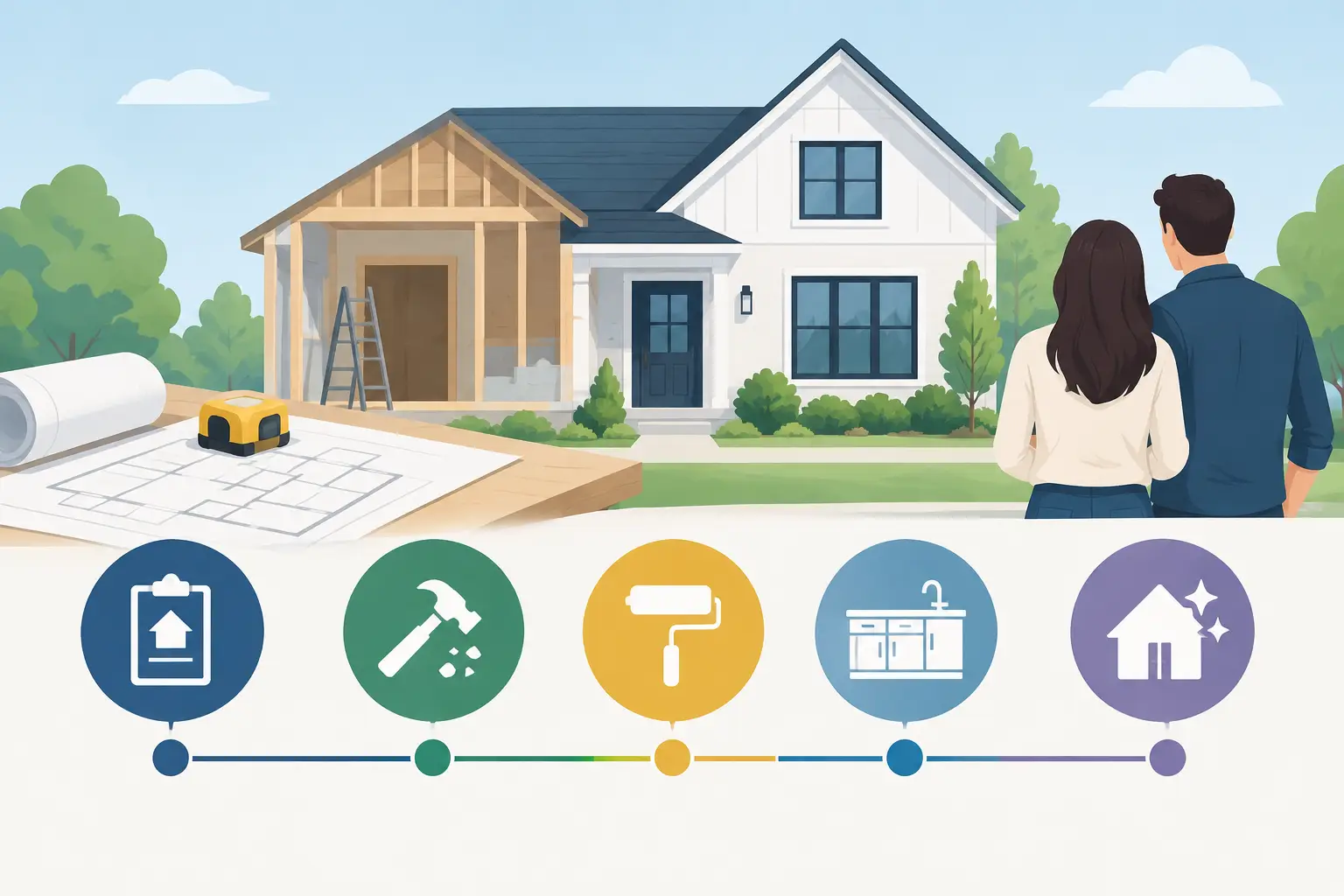
A remodeling project timeline is rarely just the number of days a crew is working at your home. It includes the decisions made before construction, product ordering, permit review, weather planning, inspections, and final details that turn a good-looking project into work built to last. Knowing what happens when can make the process feel far more manageable.
For exterior projects across Peabody, the North Shore, and greater Boston, timing also depends on New England conditions. A new roof, replacement siding, windows, deck, or exterior paint job needs the right materials, the right crew, and a workable forecast. The goal is not to rush through the job. It is to plan well, communicate clearly, and keep the work moving without cutting corners.
What Shapes a Remodeling Project Timeline?
Every home is different, but the biggest timeline factors are usually scope, materials, permits, access, and weather. Replacing a few windows may take a day or two once the products arrive. A larger exterior renovation involving roofing, siding, trim, new windows, and paint requires more coordination and can run for several weeks.
The age and condition of the home matter, too. Once old siding or roofing is removed, hidden water damage, deteriorated sheathing, outdated flashing, or framing repairs may come to light. A dependable contractor plans for the possibility of repairs and brings them to the homeowner's attention quickly. That may add time, but it protects the work that comes next.
Material selections can change the schedule before construction even begins. Custom windows and doors, specialty siding colors, composite decking, and certain trim profiles may have longer lead times than in-stock products. Choosing materials early gives your contractor the best chance to reserve an installation window that works for your household.
The Typical Remodeling Project Timeline, Phase by Phase
1. Consultation, scope, and detailed quote
Most successful projects begin with an on-site conversation about what is not working, what you want the finished home to look like, and what matters most to you. Is the priority stopping a leak, reducing drafts, improving curb appeal, creating a usable outdoor space, or preparing the home for years of lower maintenance?
This is when measurements are taken, conditions are reviewed, and options are discussed. A detailed quote should spell out the work, materials, allowances, and any assumptions. Good, Better, Best options can be useful here because they let you compare material choices without losing sight of the overall scope.
Allow roughly one to three weeks for this stage, depending on how quickly decisions are made and whether the project requires additional design work. A deck, porch enclosure, or project with several connected exterior systems may need more planning than a straightforward roof replacement.
2. Product selections, contracts, and ordering
Once the scope is approved, final selections need to be confirmed. That includes colors, profiles, window styles, hardware, door swings, roofing shingles, trim details, and any accessories such as gutters or railings. Small decisions at this point prevent expensive changes once installation is underway.
Ordering can take anywhere from two to 12 weeks, and occasionally longer for custom products. Standard roofing and siding materials may be available quickly, while made-to-order windows and doors often set the pace. Your contractor should give you a realistic expectation rather than promising an installation date before critical materials are secured.
If you are coordinating several improvements, order and sequence matter. For example, replacing windows before new siding allows the exterior trim and flashing to be finished correctly. Roofing may come before siding when both systems need new flashing at the roof-to-wall connection.
3. Permits and pre-construction planning
Not every exterior repair requires a permit, but many larger projects do. Deck construction, structural carpentry, major exterior alterations, and certain porch or sunroom projects commonly involve local permitting and inspections. Permit timing varies by municipality, project complexity, and the completeness of the submitted plans.
A permit does not necessarily hold up every part of the job, but it should be addressed early. In some cases, the contractor can order materials while the permit is under review. In others, construction cannot begin until approval is in hand. Homeowners should also check whether neighborhood associations, historic districts, or local rules affect color, design, or placement.
Before the crew arrives, the project team should confirm access, dumpster placement, material delivery, electrical needs, pets, landscaping protection, and where daily communication will happen. This stage may feel quiet, but it is where a well-run job is organized.
4. Construction and daily site work
The active construction phase is the part homeowners see most clearly. A simple door installation may be completed in one day. A typical roof replacement may take one to three days, depending on size, complexity, and repair needs. A siding replacement can range from one to three weeks, while a custom deck or porch project may take several weeks or more.
During this phase, weather is a real consideration. Crews can work safely through many cool days, but heavy rain, high winds, snow, extreme heat, and freezing conditions can affect specific tasks. Roofing needs dry conditions to protect the home during tear-off and installation. Exterior painting requires suitable temperature and moisture levels. Concrete work needs its own weather window.
A schedule adjustment is not automatically a sign of poor planning. The key is how it is handled. You should know what changed, why it changed, what work can continue, and what the revised plan looks like. Clear communication matters as much as speed when your home is an active job site.
Daily cleanup is part of professional workmanship, not an extra. Crews should keep materials organized, remove debris, and leave pathways as safe and usable as possible. There will be disruption, especially during demolition, but a clean site helps keep the project under control.
5. Inspections, punch-list work, and final walkthrough
Some projects require inspections at key milestones, not only at the end. For a deck, an inspector may need to review footings or framing before those elements are covered. Scheduling an inspection can occasionally add a few days, particularly during busy building seasons.
When the main work is complete, a final walkthrough gives you and the contractor a chance to review details together. This is the time to look at trim lines, caulking, paint touch-ups, hardware, cleanup, and the operation of windows and doors. A punch list is not a failure. It is a practical way to make sure the small finishing items receive the same attention as the larger work.
How to Keep Your Project Moving
Homeowners have more influence over the schedule than they may realize. The biggest help is making decisions early and keeping communication direct. If you are choosing between two siding colors or waiting on a special-order door, ask how that decision affects the start date before delaying the order.
It also helps to prepare the work area before the crew arrives. Move patio furniture, grills, vehicles, decorations, and fragile items away from the project zone. Trim back shrubs where requested, and make a plan for pets and children during louder stages of construction. For window work, clear interior access near each opening and remove delicate items from nearby walls or shelves.
Avoid making major scope changes once materials are ordered or installation is underway unless the change is truly necessary. Sometimes a change is worth it. Finding damaged framing behind old siding, for example, should be addressed correctly. But changing a product style or adding work mid-project can affect material availability, cost, and crew scheduling.
Plan for the Season, Not Just the Start Date
Spring and fall are popular for exterior remodeling in Massachusetts because temperatures are comfortable and homeowners are eager to address winter damage or prepare for the next cold season. Those busy periods can mean longer scheduling windows. Summer offers more daylight and often productive conditions, although heat and thunderstorms can affect the day-to-day plan.
Winter work is possible for certain projects, particularly roofing repairs, window replacement, and some carpentry work, when conditions allow. However, exterior painting, extensive siding installation, and concrete-related work may be better scheduled for a milder stretch. The right answer depends on the project, the product requirements, and the forecast, not a one-size-fits-all calendar.
A realistic schedule is one of the best protections you can have during a remodel. Choose a contractor that explains the sequence, respects your property, and takes responsibility for the finish work. Since 1978, US Home Improvement has helped local homeowners plan exterior projects with detailed quoting, experienced crews, and a focus on work they can feel confident about long after the last cleanup. Take the first step by discussing your home, your priorities, and the timeline that makes sense for the job.