
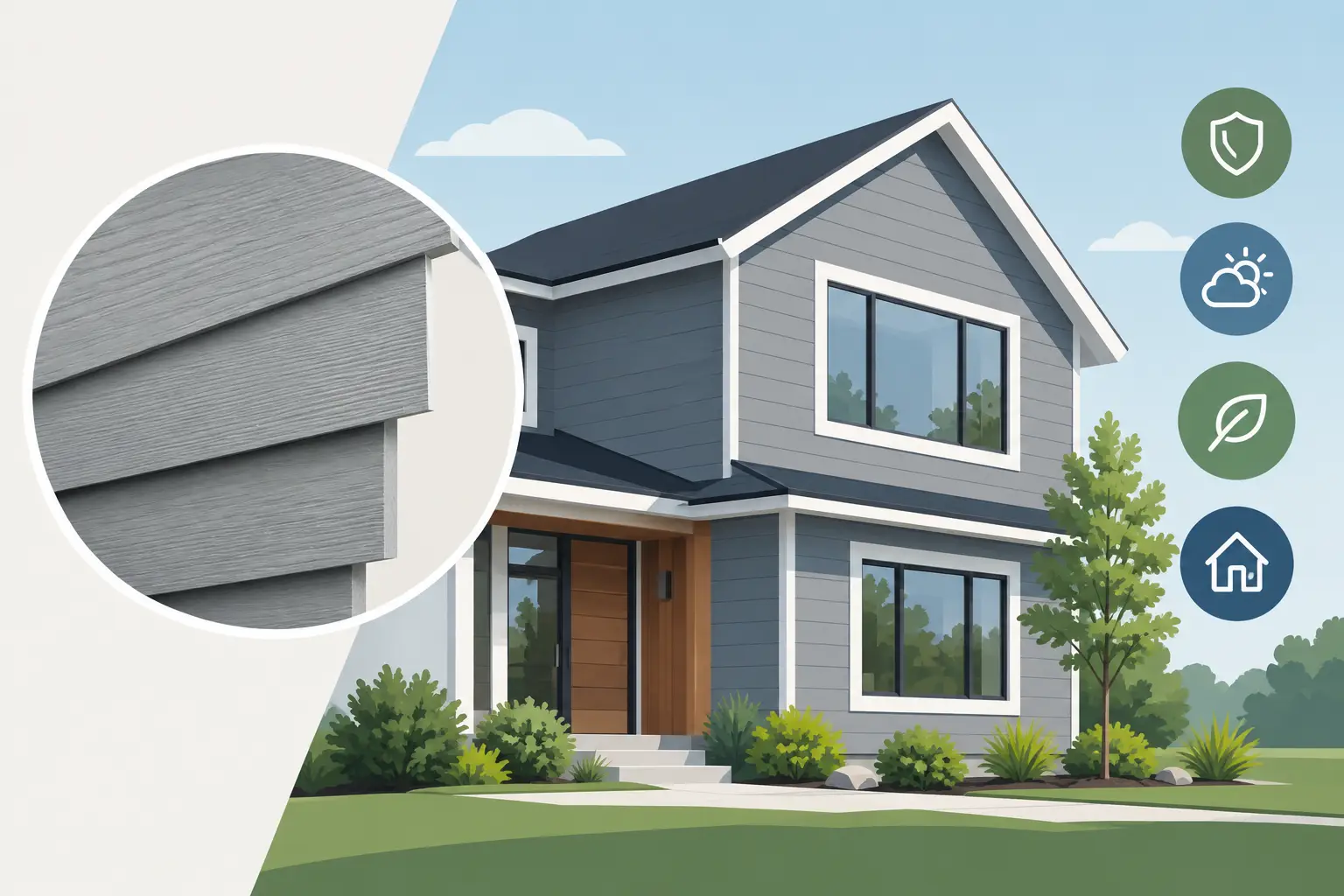
A siding decision can look simple from the street, then become complicated the moment you start comparing samples, warranties, installation methods, and quotes. This fiber cement review is for homeowners who want a clear answer: does this material make sense for a New England home, and what does it take to get the result you expect?
Fiber cement siding has earned its reputation because it can deliver the look of painted wood without many of wood's maintenance concerns. But it is not a magic material, and a good outcome depends as much on planning and installation as it does on the siding itself. For homes across the Northshore and greater Boston area, that distinction matters.
Fiber Cement Review: The Short Answer
Fiber cement is a strong contender for homeowners who want durable, low-maintenance siding with a traditional appearance. It is made from cement, sand, water, and cellulose fibers, then formed into lap boards, panels, shingles, or trim. The finished product is noncombustible, resists insects, and handles moisture far better than unprotected wood.
Its biggest strengths are durability, design flexibility, and a solid, substantial appearance. It can be finished to resemble smooth boards, cedar-style shingles, or wood-grain clapboards. For older colonials, capes, and coastal homes, that flexibility can preserve the home's character while reducing upkeep.
The trade-off is straightforward: fiber cement costs more to install than many vinyl options, and it is unforgiving of poor workmanship. The boards are heavy, cuts create silica dust that must be managed correctly, and flashing details cannot be treated as an afterthought. If the installation team cuts corners, the material's advantages can disappear quickly.
How Fiber Cement Holds Up in Massachusetts
New England weather asks a lot from exterior materials. Siding may face driving rain, freeze-thaw cycles, snow buildup, humid summer days, and salt air near the coast. Fiber cement generally performs well in these conditions when it is installed with the proper clearances, flashing, and paint or factory finish.
Unlike wood, it does not become a food source for termites or carpenter ants. Unlike some other siding materials, it does not melt or distort from ordinary summer heat. It is also dimensionally stable compared with natural wood, meaning seasonal swelling and shrinking are less of a concern.
That said, fiber cement is not waterproof. Water management still begins behind the siding, with housewrap, flashing around windows and doors, correctly integrated trim, and proper drainage details. A homeowner should never accept a quote that treats siding as boards nailed to a wall. The condition of the sheathing, trim, window openings, and roof-to-wall transitions deserves attention before the new exterior goes on.
Coastal exposure deserves its own conversation. In places such as Marblehead, Swampscott, or Gloucester, wind-driven rain and salt can put extra pressure on joints, caulking, fasteners, and paint finishes. Fiber cement can be a good fit, but the installation plan should account for the home's specific exposure, not simply follow a one-size-fits-all approach.
Appearance and Curb Appeal
Fiber cement appeals to homeowners who want a finished exterior that does not look lightweight. The shadow lines of lap siding are crisp, trim profiles can be substantial, and the material accepts paint well. This makes it especially useful when replacing aging cedar shingles or clapboards on a home where architectural character matters.
You can choose a factory-applied color or a primed product that is painted after installation. A factory finish can reduce painting time and provide a consistent color from the start. Field painting offers more flexibility if you have a specific historic color, want to match existing masonry, or plan a custom trim package.
Neither choice is automatically better. Factory-finished products may carry strong finish warranties, but touchups and cut edges still need careful handling. Field painting relies more heavily on surface preparation, weather conditions, and the painter's process. A detailed quote should spell out which system is being used and who is responsible for final touchups.
The Real Maintenance Requirement
“Low maintenance” does not mean “no maintenance.” Fiber cement does not rot like wood, but painted fiber cement still needs inspection and care. Plan to rinse off dirt and pollen as needed, watch for damaged caulk, and keep shrubs and mulch from trapping moisture against the siding.
Paint life varies based on sun exposure, color choice, surface preparation, and local weather. Dark colors on heavily exposed walls may show fading sooner than lighter colors. South- and west-facing elevations often need attention before shaded areas. The good news is that when repainting is eventually needed, fiber cement provides a stable surface for a quality paint job.
Look over the exterior at least once a year, particularly after winter. Check for cracked caulk around windows, open joints, peeling paint, damaged trim, and any area where siding sits too close to roofing, decks, steps, or grade. Small repairs made promptly are usually far less disruptive than waiting for water to reach the wall assembly.
Cost: Why Quotes Can Vary So Much
A fiber cement siding quote is not only a price for boards. It should reflect the scope needed to protect and finish your home correctly. Tear-off and disposal, wall repairs, housewrap, flashing, trim, soffits, paint, fasteners, access equipment, and cleanup all affect the final number.
A lower bid may use less trim, leave old trim in place, skip wall repairs until they become visible, or provide a thinner allowance for painting and detail work. That does not always mean the contractor is doing something wrong, but it does mean the scopes may not be comparable.
Ask for the quote in plain language. You should be able to see what is being removed, what is being replaced, how windows and doors will be flashed, what trim material is included, and how change orders will be handled if hidden damage is found. Detailed quoting is not paperwork for its own sake. It is how homeowners avoid surprises after work begins.
Installation Is the Deciding Factor
Fiber cement rewards disciplined installation. Boards need the right clearances from roofs, decks, walkways, and soil. Joints need proper treatment. Fasteners need to be placed accurately. Openings need flashing that directs water out, not behind the siding. These details may not be obvious from the driveway, but they determine whether the exterior performs over time.
The crew should also protect landscaping, manage dust safely during cutting, and leave the property orderly at the end of the day. A siding project affects your routines, your driveway, and often your landscaping. Good craftsmanship includes how the worksite is run, not only how the finished wall looks.
Before choosing a contractor, ask these practical questions:
- Will you inspect sheathing and framing after the old siding comes off?
- How will you flash windows, doors, and roof-to-wall intersections?
- What siding, trim, caulk, and paint products are included in the price?
- Who will be on site each day, and how will updates be communicated?
- How are unexpected repairs priced and approved?
Clear answers are a good sign. Vague promises are not a substitute for a defined scope.
When Another Siding Material May Make More Sense
Fiber cement is a strong option, but it is not the right answer for every home or budget. Vinyl siding may be more practical when keeping upfront cost low is the main priority. It also avoids repainting, though homeowners should consider its appearance, expansion characteristics, and how it will complement the home's style.
Engineered wood siding can offer a wood-like look with lighter boards and, in some cases, easier installation. It still requires careful moisture management and maintenance of the paint system. Natural cedar remains a beautiful choice for homeowners committed to authentic materials and regular upkeep, particularly on period homes.
The right material depends on your home's architecture, exposure, budget, and plans for the property. A homeowner planning to stay for decades may prioritize a different balance of cost and maintenance than someone preparing to sell in a few years. There is no benefit in paying for a premium material if the scope does not address the details that make it last.
A Better Way to Plan a Fiber Cement Project
Start with the condition of the house, not the color board. Look at the siding, trim, windows, gutters, roofline, and any signs of water entry together. If several exterior components are nearing the end of their service life, coordinating the work can prevent new siding from being disturbed later for a window, roof, or trim repair.
At US Home Improvement, the goal is to give homeowners a clear path forward, with options that match the home's needs and the budget. Since 1978, our local crews have approached exterior work with the same standard: explain the scope, protect the property, communicate throughout the job, and stand behind the finished work.
A fiber cement exterior should give you confidence each time you pull into the driveway. Take the time to compare scopes, ask about the details behind the boards, and choose a team that treats your home like a long-term responsibility.