
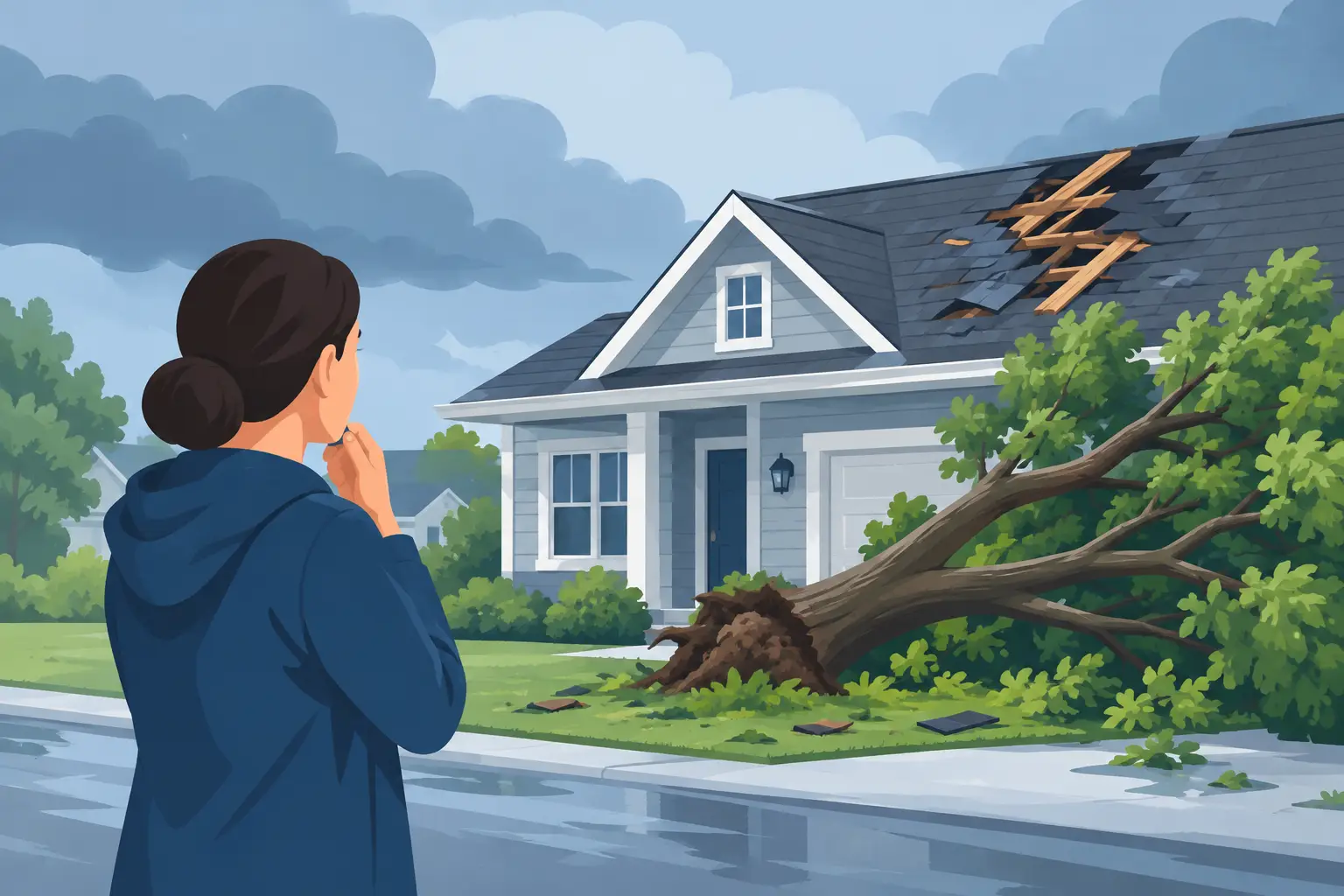
A branch through a window is easy to spot. A lifted shingle, loose flashing, or small gap along the siding is not. Yet those quieter forms of storm damage can let water into the home long after the sky clears. For homeowners across the Northshore and greater Boston area, the right response is not panic or a rushed repair decision. It is a careful inspection, smart temporary protection, and a clear plan for permanent work.
Start Safe, Then Look for Storm Damage
Do not climb onto a wet roof, walk beneath a hanging limb, or touch downed electrical lines. If you suspect structural damage, smell gas, see sparking wires, or have active flooding near electrical equipment, leave the area and contact the appropriate emergency service.
Once conditions are safe, walk the property from the ground. Take photos and short videos before moving debris or making temporary repairs. Capture wide shots of each side of the house, then closer images of visible damage. Documentation helps establish what happened, shows how conditions changed, and gives a contractor a useful starting point.
Look beyond the roof. High winds and wind-driven rain can affect windows, exterior doors, siding, gutters, trim, decks, porches, and soffits. A storm may expose a weak point that was already developing, which is why a thorough assessment matters more than guessing based on one obvious problem.
Signs That Need Prompt Attention
Some issues can wait for a scheduled inspection. Others need action the same day to limit further damage. Active water entering the home, missing roofing materials, broken glass, a compromised exterior door, or a gutter pulling away from the house should be addressed quickly.
Inside, check ceilings, attic spaces, upper walls, and the areas around windows and doors. Water stains, bubbling paint, damp insulation, musty odors, and new discoloration can point to a leak. Keep in mind that water does not always appear directly below the opening. It can travel along framing, roof decking, or insulation before becoming visible.
If water is coming in, protect belongings and place containers beneath drips where it is safe to do so. Move furniture away from wet walls. Do not puncture a sagging ceiling unless a qualified professional advises it. That situation can involve more water weight than it appears to hold.
The First 24 Hours Matter
The goal after a storm is simple: prevent a manageable repair from becoming a larger restoration project. That may mean covering a broken window opening, securing a loose door, or having an exposed section of roof professionally tarped. Temporary protection is not the finished repair, but it can make a major difference.
Avoid using duct tape, caulk, or a quick patch as a permanent answer to roofing or siding damage. These materials can trap water, fail in changing weather, and make it harder to see the actual condition underneath. A proper repair starts with identifying how water got in, whether surrounding materials have been affected, and what is needed to restore the exterior weather barrier.
It is also wise to save receipts for emergency materials, cleanup, and temporary services. If you plan to make an insurance claim, notify your carrier promptly and follow its guidance. At the same time, do not let an insurance timeline pressure you into accepting a vague scope of work. You should understand what is being repaired, why it is necessary, and what materials will be used.
What a Complete Exterior Inspection Should Cover
A good inspection is more than a quick look at missing shingles. Storms put stress on connected parts of the exterior, and the best repair plan considers the full system.
Roofing and Flashing
Wind can crease, lift, or remove shingles without leaving a dramatic bare spot. Granule loss, cracked tabs, exposed nail heads, and loose ridge caps can all shorten roof life. Flashing around chimneys, skylights, vent pipes, and walls deserves close attention because these transitions are common entry points for water.
The condition of the roof deck and underlayment may matter just as much as the shingles. If moisture has reached the decking, replacing surface materials alone may not solve the problem. The repair needs to be built back correctly from the substrate outward.
Siding, Trim, and Exterior Paint
Vinyl siding can crack or pull loose in strong winds. Wood trim can absorb water through failed paint or open joints. Fiber cement and composite materials are durable, but they still depend on properly sealed edges, flashing, and installation details.
Pay close attention to corners, window trim, utility penetrations, and the area where siding meets the roof. These are small details, but they do serious work. If they fail, water can reach sheathing and framing before there is any obvious sign indoors.
Windows and Doors
Storm pressure can reveal problems with aging seals, worn weatherstripping, loose frames, and poor drainage. Check whether windows and doors operate normally, latch securely, and show signs of water between panes or around interior trim. A window that looks intact may still be allowing drafts or moisture into the wall assembly.
Replacement is not always required. Sometimes a targeted repair, new exterior trim, or improved flashing is the right answer. It depends on the condition of the unit, the extent of moisture exposure, and whether the surrounding opening remains sound.
Gutters, Downspouts, and Drainage
Gutters are often treated as an afterthought until a storm sends water over the edge and down the siding. Check for dents, separation at seams, loose hangers, blockages, and downspouts that discharge too close to the foundation.
A gutter repair is especially important when roof runoff is reaching entryways, deck posts, window wells, or basement walls. Water management is part of protecting the entire exterior, not just keeping rain out of the roofline.
Repair or Replace? Make the Decision on Facts
After storm damage, homeowners often face a difficult question: should this be repaired, or is it time to replace the affected system? There is no one answer. A small, isolated issue on an otherwise healthy roof or siding wall may be a sensible repair. Repeated leaks, widespread wear, discontinued materials, or damage across multiple areas may point toward replacement.
Cost matters, but the lowest immediate price is not always the best value. A narrow patch can be appropriate when it restores the assembly properly and blends with the existing work. It may be less practical when the surrounding materials are near the end of their service life or when matching color and profile will be difficult.
Ask for a detailed scope that explains the condition found, the recommended repair, the materials involved, and any options worth considering. Good, Better, Best choices can be useful when they are clearly defined. The goal is not to upsell a homeowner after a stressful event. It is to give them enough information to choose a durable solution that fits the home and budget.
Choosing a Contractor After a Storm
Storms can bring a wave of unsolicited offers from crews that may not be familiar with local building practices, permitting expectations, or the realities of New England weather. A door knock or a flyer does not automatically mean poor work, but homeowners should slow down before signing anything.
Choose a contractor who can inspect the full exterior, explain the findings in plain language, and provide a written proposal rather than a verbal promise. Ask how the site will be protected, who will perform the work, how debris will be handled, and how changes will be communicated if hidden damage is discovered.
Local experience matters because repair details need to hold up through coastal wind, freeze-thaw cycles, snow, and heavy rain. Since 1978, US Home Improvement has helped local homeowners make practical exterior decisions with in-house crews for roofing, siding and painting, and carpentry. That kind of coordinated approach can be especially valuable when damage crosses more than one trade.
Prepare Before the Next Forecast
No exterior can prevent every kind of storm loss, but maintenance gives your home a better chance. Keep gutters clear, trim back limbs that overhang the roof, secure loose exterior features, and address small roof, siding, and trim repairs before a major weather event finds them.
A seasonal exterior check is a practical habit, particularly after winter and before the strongest summer and fall storms. Look for loose materials, peeling paint, failed caulk, drainage problems, and aging components that are nearing replacement. Small corrections made on a planned schedule are usually less disruptive than emergency work.
When a storm leaves you unsure what you are seeing, do not guess from the driveway or cover up the evidence with a quick fix. Get a clear assessment, protect the home from further exposure, and choose repairs that will stand up to the next hard rain and high wind.