
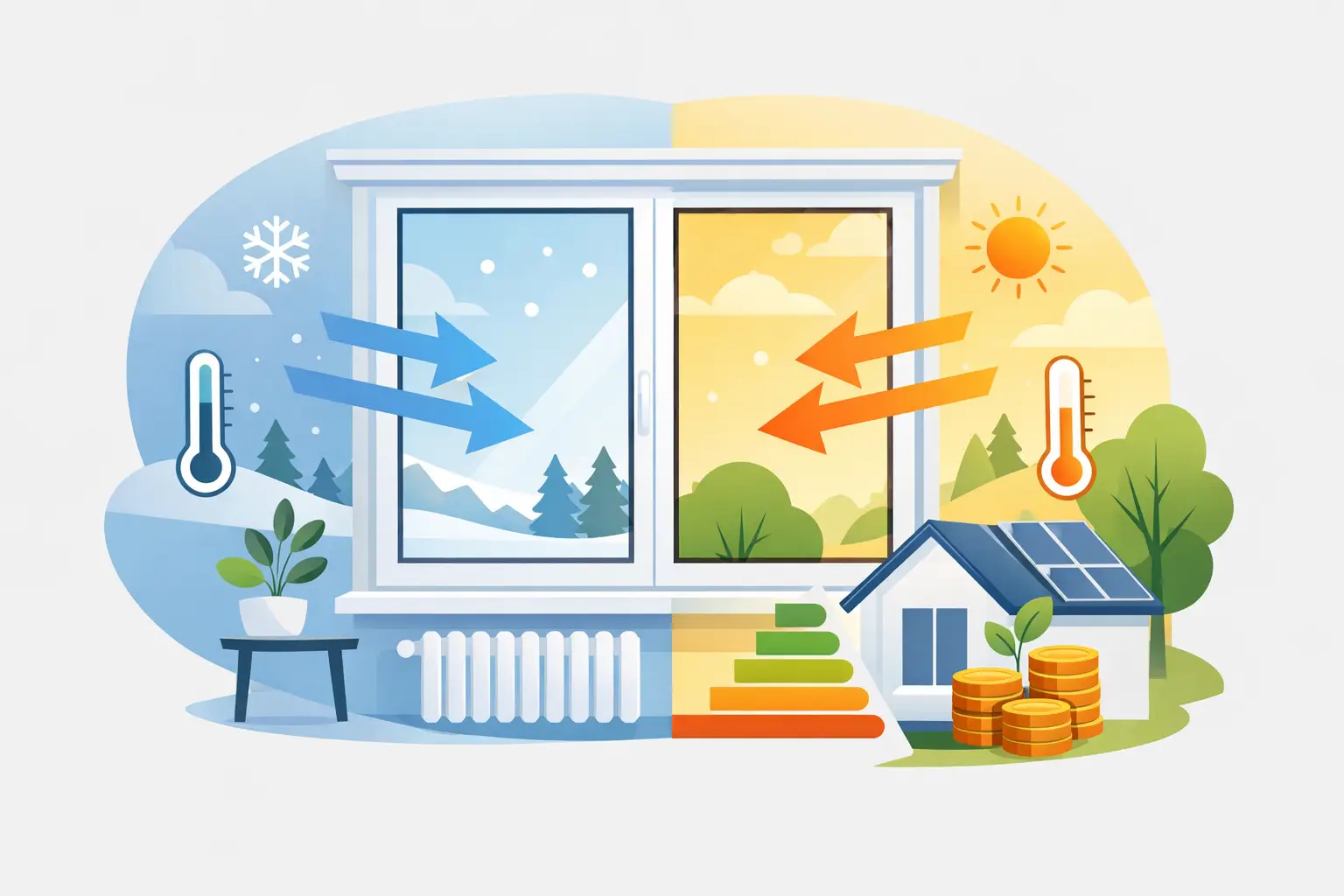
If your windows feel cold in January, stick in their tracks, or let road noise pour into the house, you are probably not asking a theory question. You are asking a real homeowner question: are energy efficient windows worth it for this house, in this climate, and at this stage of ownership? Around the Northshore and greater Boston, that answer is often yes, but not for every reason people assume.
The biggest mistake homeowners make is treating replacement windows like a simple utility rebate decision. Savings matter, but comfort, durability, noise reduction, and lower strain on your heating and cooling system matter too. A window can be worth it even if the payback is slower than you hoped, especially if your current units are drafty, hard to lock, or showing signs of failure.
Are energy efficient windows worth it in Massachusetts?
In a four-season climate like ours, windows do more than let in light. They stand between your living room and freezing winter air, summer humidity, driving rain, and coastal wind. That is why energy-efficient windows tend to make a noticeable difference here faster than they might in milder parts of the country.
Still, worth it depends on what you are replacing. If your home already has relatively modern double-pane windows in good condition, the jump in efficiency may be modest. If you have older single-pane windows, failed seals, rotting frames, or visible drafts, the change is usually much more meaningful.
Homeowners often expect a dramatic drop in utility bills right away. Sometimes that happens, but more often the benefit shows up as a combination of lower heating and cooling costs, fewer cold spots near windows, less outside noise, and a home that simply feels tighter and more comfortable. That everyday improvement is what many people remember long after the project is done.
What actually makes a window energy efficient?
Not every new window is truly efficient. New does not always mean better. A well-built energy-efficient window usually combines several features that work together.
Glass package matters first. Double-pane glass is standard, while triple-pane can make sense in some homes where cold-weather performance and sound control are major priorities. Low-E coatings help reflect heat where you want it, keeping more warmth inside during winter and reducing solar heat gain in summer.
Gas fills such as argon between panes improve insulation. Frame material matters too. Vinyl, composite, fiberglass, and quality wood-clad options all perform differently, and installation quality has just as much influence as the product itself. Even a strong window will underperform if it is poorly fitted, loosely insulated, or sloppily flashed.
That is why window shopping by sticker price alone usually leads to disappointment. Homeowners are not just buying glass. They are buying design, fit, weather resistance, and long-term performance.
Where the value shows up first
For most families, the first payoff is comfort. Rooms that used to feel chilly become usable again in winter. The sofa by the front window stops being the cold seat in the house. Upstairs bedrooms hold temperature better during weather swings.
The second payoff is often quieter living. If you live near a busy road, school route, or dense neighborhood, better windows can cut down on the constant background noise that older windows let through. That quality-of-life improvement does not show up on an energy bill, but it matters.
Then there is maintenance. Older wood windows can demand scraping, painting, and repeated repairs. Failed balances, swollen frames, and broken locks all add frustration. A properly selected replacement window can reduce upkeep and give you smoother operation every day.
Energy savings are still part of the picture, of course. But when homeowners say they wish they had replaced their windows sooner, they usually talk about how the house feels, not just what the gas bill says.
When energy efficient windows may not be worth it yet
There are cases where replacement is not the best first move. If your discomfort comes mainly from poor attic insulation, air leaks around doors, or an aging HVAC system, windows may not solve the whole problem. Sometimes homeowners blame the windows when the house has multiple weak points.
If the existing windows are fairly recent, structurally sound, and performing well, full replacement might not deliver enough return right now. In that case, air sealing, weatherstripping, or addressing trim and insulation issues could be the smarter first step.
Budget matters too. If you are choosing between a rushed, low-grade window job and waiting for a better-quality installation, waiting often makes more sense. Cheap windows installed poorly can create a second round of problems that cost more to fix later.
How to judge whether the investment makes sense
Start with the condition of what you have. If you see condensation between panes, feel air movement when the windows are closed, struggle to open and lock them, or notice soft or damaged frames, replacement deserves serious consideration.
Next, think about how long you plan to stay in the home. If this is your long-term house, comfort, reliability, and reduced maintenance carry real weight. If you may sell in a couple of years, new windows can still help with curb appeal and buyer confidence, but the value calculation changes.
You should also consider where the windows are causing the most trouble. Sometimes a whole-house project is right. Other times, homeowners benefit from tackling the worst elevations or most exposed rooms first. A detailed quote with options can help you compare a full replacement against a phased plan without feeling forced into one answer.
The hidden cost of keeping bad windows
Holding onto failing windows can look cheaper on paper, but the costs add up. Drafts push your heating system harder. Moisture problems can affect trim and wall areas around the opening. Sticking sashes and unreliable locks reduce both convenience and security.
There is also the daily annoyance factor. If you avoid opening a window because it jams, or keep furniture away from one wall because it is too cold, the window is already affecting how you use your home. That kind of wear-and-tear on comfort is easy to ignore until it disappears.
For many homeowners, replacement becomes worthwhile the moment they stop managing around the problem.
Are premium windows always the best value?
Not always. Better products usually offer better performance, stronger warranties, nicer finishes, and tighter construction, but the most expensive option is not automatically the right fit for every home.
This is where a Good, Better, Best approach helps. A good contractor should explain the performance difference between options in plain language. Maybe your front elevation gets heavy weather and deserves an upgrade, while other parts of the house do well with a more budget-conscious choice. Maybe noise reduction is a top concern, making a stronger glass package worth the step up.
The goal is not to oversell. It is to match the product to the house, the homeowner, and the expected years of use.
Installation is what turns a good window into a good result
Homeowners understandably compare brands, glass packages, and prices. But installation is often the difference between a window that performs for decades and one that disappoints early.
Accurate measurement, careful removal, proper insulation, clean trim work, and weather-tight finishing all matter. So does communication during the job. When crews show up on time, protect the work area, clean up daily, and address small issues before they turn into larger ones, the project feels different from start to finish.
That is one reason established local companies tend to bring more value than a bargain bid. Experience matters, especially in older Massachusetts homes where openings may be out of square, trim conditions vary, and surprises are common. Since 1978, US Home Improvement has seen how much craftsmanship affects window performance long after installation day.
So, are energy efficient windows worth it?
If your current windows are failing, uncomfortable, noisy, or hard to maintain, they usually are. Not because they are a magic fix, and not because every project pays back the same way, but because good windows improve how a home performs and how it feels to live in.
The smartest way to evaluate them is to look beyond a simple sales claim. Ask what problem you are trying to solve. Ask how long you plan to stay. Ask whether the product, installation method, and budget all line up. When those pieces fit, replacement windows stop being an expense you dread and start looking like a lasting upgrade.
A good home improvement decision should make life easier every season after the crew leaves. That is the standard worth aiming for.