A porch can be the best seat in the house right up until the wind picks up, the bugs come out, or the temperature swings hard enough to send everyone back inside. That is where a smart guide to porch enclosures helps. The right enclosure can turn a space you use a few weeks a year into one that feels comfortable, protected, and worth the investment.
For many homeowners around Peabody, Essex County, and the greater Boston area, the goal is not just to close in a porch. It is to make that space work better without creating new problems. You want something that looks right with the house, holds up through New England weather, and fits your budget without cutting corners on workmanship.
What a porch enclosure really changes
A porch enclosure does more than add walls or screens. It changes how often you use the space, how the home feels from the outside, and in some cases how the rest of the house performs. A well-built enclosure can reduce exposure to rain, pollen, wind, and insects. It can also give you a transition area between indoors and outdoors that feels more finished and intentional.
That said, not every enclosure delivers the same value. A simple screen porch solves one set of problems. A three-season room solves more. A fully insulated, heated enclosure is a different project altogether, with different costs, structural requirements, and permit considerations. The best choice depends on how you want to use the space in April, in August, and in late November.
Guide to porch enclosures: start with how you plan to use it
Before you think about windows, framing, or finishes, think about daily use. If your main frustration is mosquitoes and light rain, screens may be enough. If you want to sip coffee out there in spring and fall without a jacket, windows and weather protection matter more. If you picture the space functioning like a true room connected to the house year-round, insulation, electrical work, and heating move into the conversation.
This is where many projects go off track. Homeowners sometimes choose a lower-cost option expecting year-round comfort, or they overbuild a space they will only use on mild weekends. A good plan starts with honest expectations. How many months do you want to use it? Will it be for dining, reading, entertaining, or muddy-shoe overflow? Do you want it to feel breezy, or more like an addition?
Common porch enclosure options
The simplest option is a screened enclosure. This keeps the porch open and airy while blocking bugs and debris. It is often the most affordable route and works well if the structure is already sound. The trade-off is that screens do little against cold, damp air, or blowing rain.
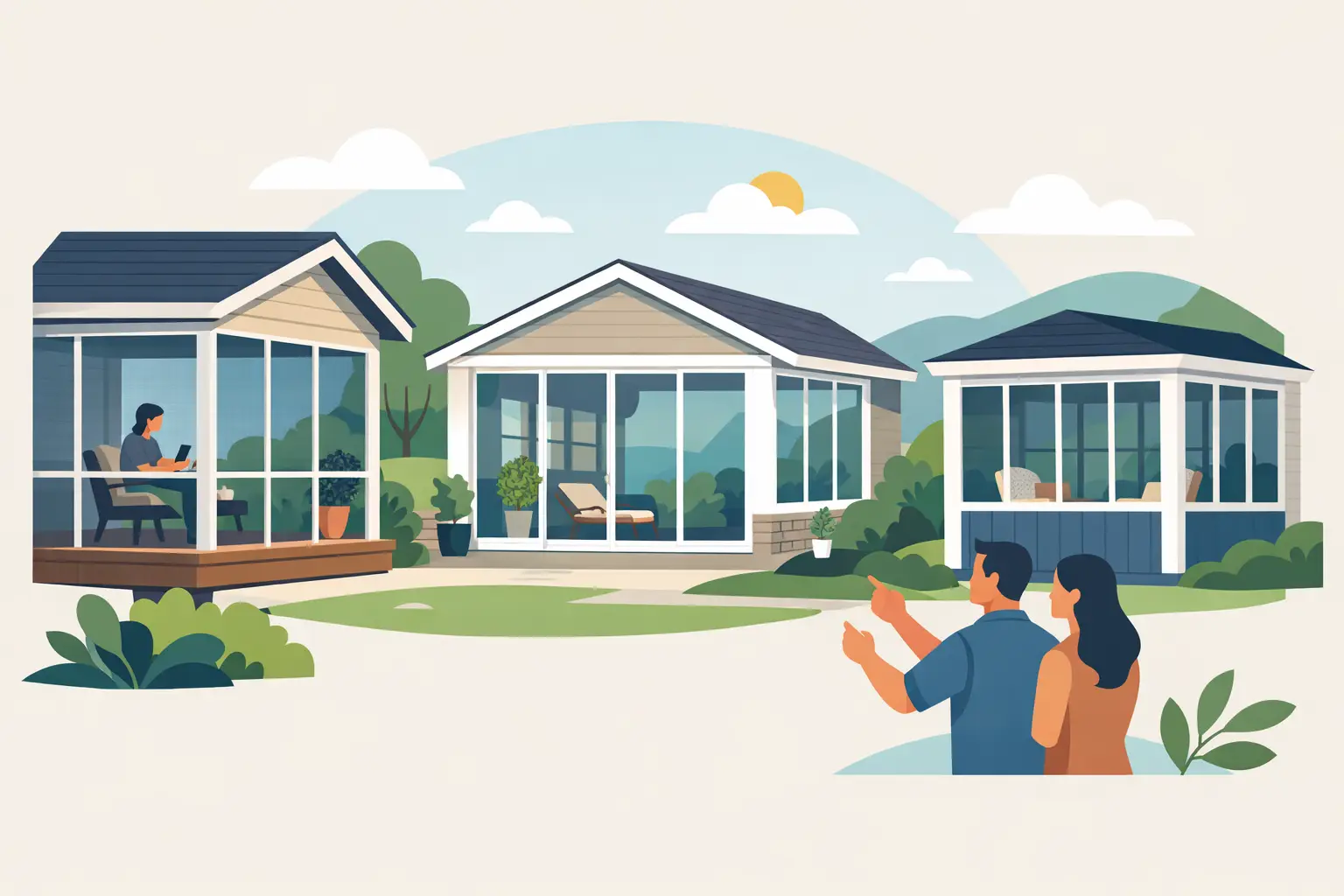
A three-season porch enclosure adds more protection with framed windows or window systems, stronger weather sealing, and a more finished feel. For many homeowners, this hits the sweet spot. You gain comfort in spring, summer, and fall without the cost of building a full four-season room. The limitation is winter performance. Without full insulation and dedicated heating, the space may still be too cold during the harshest months.
A four-season enclosure is the most complete option. This usually involves insulated walls, higher-performance windows, electrical planning, and a heating source designed for regular use. It can feel like a true extension of the home, but it also requires a bigger budget and closer attention to code, structure, and energy details.
The structure matters more than the finishes
A porch enclosure is only as good as the framing, foundation, and roof supporting it. This is one of the biggest reasons experienced homeowners prefer a contractor who handles exterior systems every day. The visible parts of the job matter, but the hidden work is what determines whether the space stays square, dry, and problem-free over time.
An older porch may need reinforcement before it can support new windows, wall systems, or heavier roofing components. Posts, footings, framing connections, and roof tie-ins all need to be evaluated. If water has been getting in for years, there may be rot that needs to be repaired before any enclosure work begins.
This is not the exciting part of the project, but it is the part that protects your investment. A clean-looking enclosure built on weak framing will not stay that way for long.
Materials and design choices that affect long-term value
Window selection has a major impact on comfort, maintenance, and appearance. Vinyl systems are popular because they are cost-effective and easy to maintain. Aluminum can be strong and slim but may not insulate as well depending on the product. Glass options vary too. Single-pane may be acceptable for some seasonal rooms, while insulated glass makes more sense if you want extended use and better energy performance.
Framing and trim should also match the home, not fight against it. The enclosure should look like it belongs there. Siding profiles, rooflines, columns, and color choices all matter. A porch that looks tacked on can hurt curb appeal even if the inside feels useful.
Flooring deserves careful thought as well. Moisture, foot traffic, temperature swings, and furniture use all play a role. Some homeowners want the warmth of a finished surface. Others need something more forgiving and low-maintenance. There is no one right answer, but there is usually a wrong one if the material is not suited to exposure and seasonal movement.
Costs depend on scope, not just square footage
One of the most common questions in any guide to porch enclosures is cost. The honest answer is that pricing can vary widely because the project scope changes fast. A basic screened porch on an existing structure costs far less than a four-season enclosure with insulation, custom windows, lighting, and finish carpentry.
The biggest cost drivers are usually structural repairs, the type of enclosure system, window quality, electrical work, finish level, and whether the roof or foundation needs modification. Access to the work area can also affect labor. So can the age of the house, especially if you uncover older framing issues once the project starts.
That is why detailed quoting matters. Broad ballpark numbers from the internet rarely tell the full story. A dependable contractor should walk the site, understand how you want to use the space, and show you realistic options. A Good, Better, Best approach often helps because it gives you room to compare value without guessing where the trade-offs are.
Permits, codes, and local weather are part of the plan
In Massachusetts, porch enclosures are not just design projects. They are construction projects that may trigger permits, inspections, and code requirements tied to structural changes, electrical work, or changes in how the space is classified. Snow load, moisture management, and proper flashing are not small details in this climate.
That local experience matters. A system that works in a milder region may not perform the same way through freeze-thaw cycles, coastal moisture, and heavy storms. The enclosure has to manage water well, tie into the home correctly, and stand up to real seasonal stress.
For homeowners, the takeaway is simple. Do not treat the permit process as a nuisance or the weather details as overthinking. They are part of building a space that lasts.
Choosing the right contractor for a porch enclosure
Porch enclosure projects touch multiple trades at once. Carpentry, roofing, windows, siding, trim, and sometimes electrical all need to come together in the right order. When that coordination is weak, delays and finger-pointing usually follow.
Look for a contractor who can clearly explain the process, identify possible structural issues early, and communicate what happens if hidden conditions are found. You want a team that shows up on schedule, keeps the site clean, and treats finish work as seriously as framing. You also want realistic timelines, not promises that sound good in the sales meeting and fall apart once the job starts.
That is one reason many local homeowners work with established companies like US Home Improvement. With decades of exterior remodeling experience, in-house crews, and a workmanship-focused process, the job stays organized from quote to final cleanup.
How to know which enclosure is right for you
If your goal is casual warm-weather living, a screened porch may be all you need. If you want longer seasonal use and stronger protection from the elements, a three-season room usually offers better balance. If you want a true extension of indoor living space, the project needs to be designed that way from the beginning.
The right answer is rarely the cheapest version or the most elaborate one. It is the option that fits your home, your expectations, and the way you actually live. When the planning is thoughtful and the build quality is there, a porch enclosure stops feeling like an extra. It becomes one of the most useful spaces on the property.
If you are considering the project, start with the basics: how you want to use the space, what condition the existing porch is in, and what level of comfort you expect month to month. A well-built enclosure should make life easier, not give you one more thing to worry about.